
In a state as big as Texas, you don’t just need a website, you need a digital roadmap.
Most business owners I talk to figure a strong presence in the DFW metro area or in booming Austin is enough. They set up their site, maybe claim their Google Business Profile, and then they wonder why the phone isn’t ringing.
The truth is stark: Only about 3% of local searches click beyond the Google Local Pack according to multiple studies I’ve seen. If you aren’t in that elite three-pack, you’re essentially invisible to 97% of the ready-to-buy customers searching on their phones right now.
This isn’t about generic, plug-and-play SEO advice. This is your comprehensive, Texas-centric strategy to dominate the Local Pack and carve out your territory across the Lone Star State.
1. Why Your Texas Business Needs a Local SEO Blueprint
1.1. The Texas Market Advantage: Why ‘Bigger’ Demands ‘Smarter’ SEO
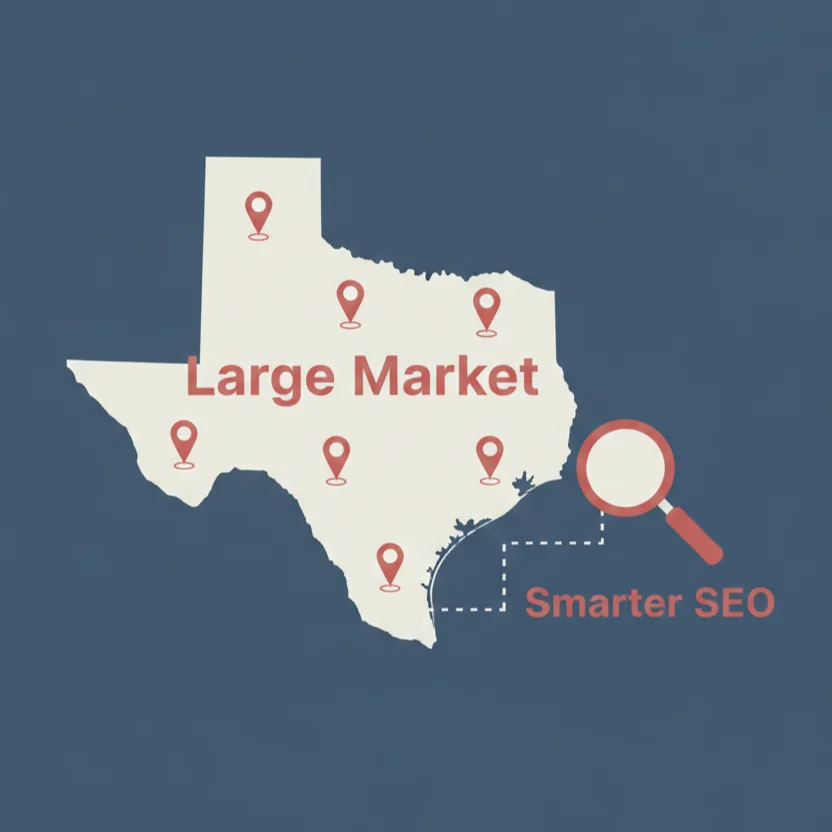
If you’re running a business in Texas, you already know the scale is massive. That size isn’t just about square footage, it’s about competition. We’re one of the fastest-growing states in the country.
Honestly, this part trips people up all the time. People think because the Texas economy is huge, the customer will just find them. That’s a pipe dream.
Look at the data. From recent census estimates, the population growth here is unrelenting. That means more people searching, but also way more businesses moving in and competing for those same searches.
The competitive nature of the major Texas metros is intense. A search for “plumber near me” in Dallas-Fort Worth is a completely different battlefield than the same search in a small town. The same goes for the highly lucrative markets in Houston, the tech-saturated landscape of Austin, and the historical, but rapidly growing, area of San Antonio.
The takeaway is simple: If you’re not using a focused Local SEO blueprint, you’re not competing. You’re just hoping. And hope is a terrible business strategy, y’all.
1.2. The Three Pillars of Local Ranking: Relevance, Distance, and Prominence
Google’s core ranking factors for the Local Pack are basically a cocktail of three ingredients. You need all three mixed just right.
- Relevance: Does your business profile and website actually match the intent of the search? If someone searches for “best brisket in Austin,” you better have the word ‘brisket’ and the location ‘Austin’ all over your site and profile.
- Distance: How far is your business from the searcher’s location? This is where the sheer size of Texas works against you if you’re not localized. A searcher in the 78701 zip code in Austin won’t see results from a shop 30 miles away in Georgetown unless their query is very generic.
- Prominence: This is your reputation and authority. It’s about links, reviews, and how well-known you are online and offline.
Unique Texas Point: In Texas, where the markets are incredibly competitive, Prominence is often the tie-breaker. Everyone has a decent website. Everyone is close enough. The business that has built the strongest local, Texas-specific authority is the one that gets the call. This is where I’ve seen smaller companies absolutely smoke the big chains.
Now, let’s start building that authority.
2. Pillar 1: Total Optimization of Your Google Business Profile (GBP)
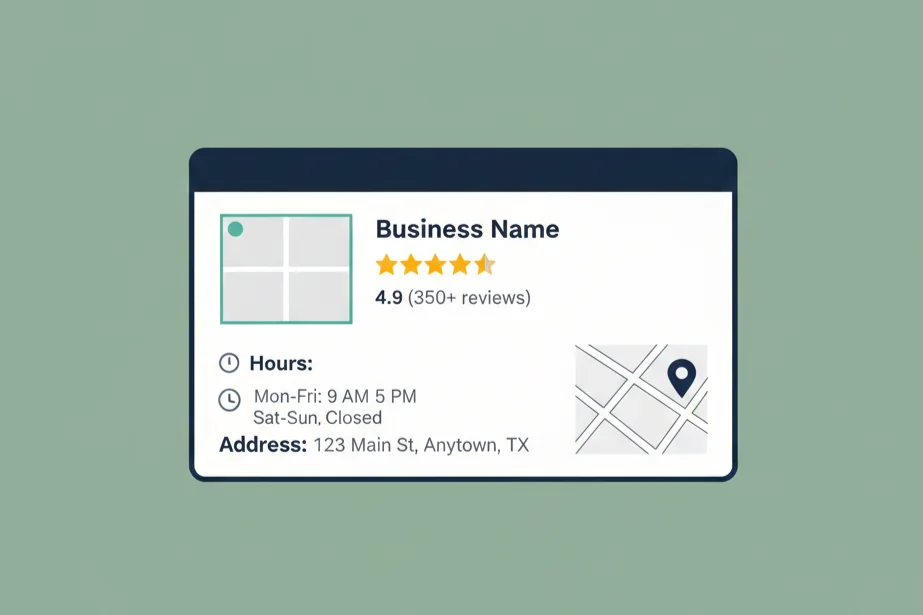
Your Google Business Profile isn’t just a listing, it’s your virtual storefront. If you mess this up, the rest of your SEO efforts are like trying to rope a calf with a wet noodle.
2.1. The Critical Setup: Claim, Verify, and Complete
The first step is obvious, but I’ve seen so many people botch it. You have to Claim, Verify, and Complete your profile.
The Verification Process: Google still uses the postcard, video, or phone call process. If you’re a Service Area Business (SAB), verification can sometimes be a little trickier, but you have to be honest about your service radius. Don’t fake an address just to get a listing. It’s a fast track to getting suspended.
NAP Consistency is Law: This is where attention to detail pays off. NAP stands for Name, Address, Phone number. This information must be identical, down to the punctuation and abbreviations, across your GBP, your website, and every single directory.
For example, if your GBP says “123 Main St., Ste. 10,” don’t let your Yelp page say “123 Main Street, Suite 10.” Google takes this as two different businesses.
You need to do a Texas NAP Audit right now. Go check your listing on the 10 biggest directory sites. You’ll be surprised at the tiny inconsistencies you find.
2.2. Maximizing GBP for Texas Keywords
Getting the categories right is critical. If you’re a heating and air conditioning company, don’t just pick “Contractor.” Pick “Air Conditioning Contractor” (Primary) and maybe “Heating Contractor” (Secondary). Choose the most accurate categories first.
Pro-Tip: The Texas Keyword Weave.
Use the ‘Description’ and ‘Services’ sections of your GBP to naturally weave in those high-value, city-specific keywords. This isn’t about keyword stuffing. It’s about specificity.
Instead of writing a generic service description like, “We offer the best web design services,” try something targeted:
“We are a Boutique Web Design firm specializing in custom e-commerce solutions for small and mid-sized businesses across North Dallas and the wider DFW area. Our focus is on modern, mobile-first design and blazing fast load times for the busy Texas entrepreneur.”
See how that’s targeted? You’re telling Google and the customer exactly where you operate and what problem you solve.
2.3. The Power of Activity: Posts, Q&A, and Photos
A static GBP is a dead GBP. Google rewards activity and freshness.
- GBP Posts: Treat this like a lightweight social media channel. Create a weekly GBP posting schedule. Tie your posts to local events or timely content. If it’s the Texas State Fair, post about a related service or offer. If a new state regulation comes out, post a quick explainer. Show you’re part of the community.
- Geo-Tagged Photos: Don’t just upload generic stock photos. Upload high-res photos from your job sites. Before you upload them, use a free online tool to Geo-Tag the photo with the specific city and coordinates. Also, use descriptive file names like HVAC_Install_San_Antonio.jpg instead of IMG_1092.jpg. This is a small, easy win that signals location authority.
3. Pillar 2: On-Site SEO and Hyper-Local Content Strategy
Your GBP is the front gate, but your website is the whole house. It needs to be structurally sound and filled with the right kind of furniture.
3.1. Core Website Technical Requirements
You’ll lose the battle before it starts if your site is slow or breaks on a phone.
- Mobile-First and Page Speed: With Texans always on the go, often searching for an urgent service while driving (I know, I’ve done it), mobile speed is non-negotiable. Google’s Core Web Vitals are a big ranking factor. If your site takes longer than three seconds to load, you’re toast. Use Google’s PageSpeed Insights tool.
- LocalBusiness Schema Markup: This is code you add to your website that Google reads instantly. It explicitly tells Google your Name, Address, Phone, Geo-coordinates, and Review data. Get this wrong, and you’re forcing Google to guess where you are. Get it right, and you’re handing Google the answers on a silver platter. I use tools like Schema.org’s generator to get this code snippet.
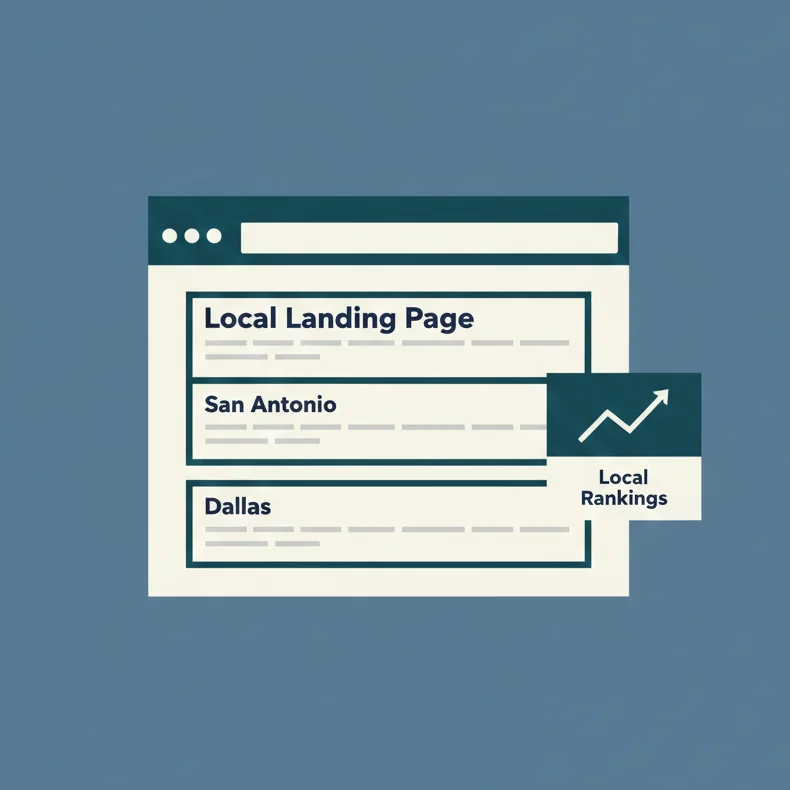
3.2. Creating “Targeted” Location Landing Pages (The Texas Hub Strategy)
If you’re a multi-location business or a Service Area Business spanning the entire DFW metroplex, you cannot rely on one page. You need a Texas Hub Strategy.
The Blueprint for a High-Converting Texas City Page:
- Unique, 500+ word content. I can’t stress this enough. If you copy the same text onto 10 different city pages and just swap out the city name, Google will catch it and call it duplicate content. You have to write genuinely unique content that speaks to the specific needs of that city.
- H1 Tag with City/Service. The page title must clearly state the location and service, such as: “Commercial HVAC Repair in San Antonio, TX: Fast, Reliable Service.”
- Embedded Google Map of the specific location or the service area for that city.
- Local Testimonials/Case Studies. Don’t just show reviews from anywhere. Show a testimonial that explicitly mentions a neighborhood in that city, like “John T. in The Heights (Houston) was thrilled with the results.” This builds instant trust.
3.3. Content Tailored to the Texas Audience (Beyond Keywords)
This is where your writing gets personality. You’re not just writing for a search engine, you’re writing for a Texan.
- Blogging about Local Regulations or Trends. What affects local Texans? Write about it. If you’re a landscaper, blog about how the new drought restrictions affect lawn care in West Texas. If you’re an attorney, cover a new Texas State regulation.
- The “Y’all” Factor. Use local Texas terminology and culture to build connection. Don’t force it, but a well-placed regional reference makes you feel like an insider. It shows you’re a local business, not a remote corporation. It’s a powerful, subtle trust signal. My previous experience shows that connecting on that cultural level, even with just a bit of flair, makes customers trust you faster.
4. Pillar 3: Building Prominence Through Texas Authority and Links
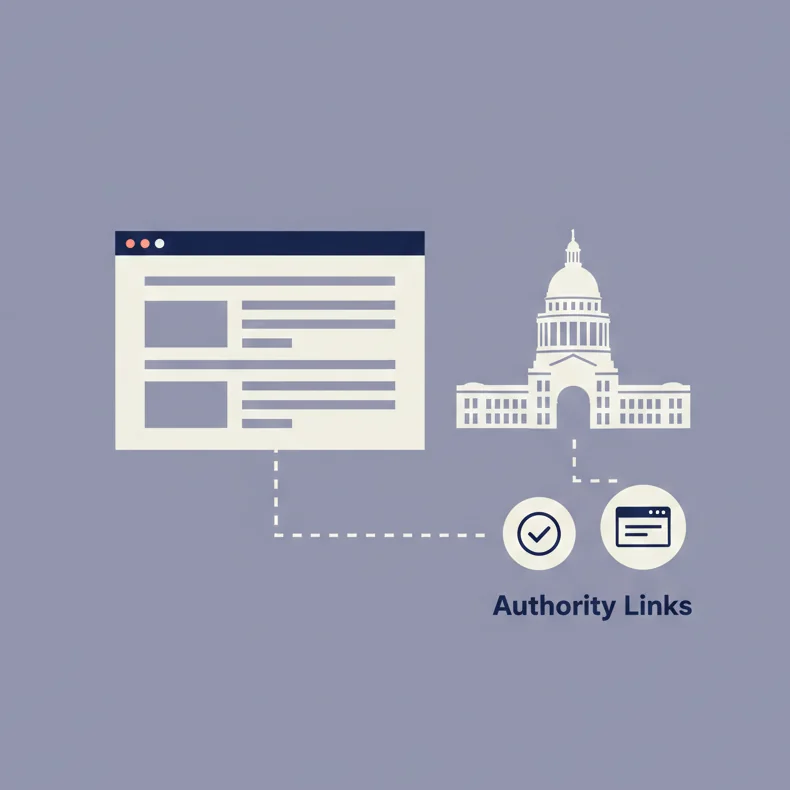
Prominence is built on citations and backlinks. Citations are your listing on directories. Backlinks are when other websites link to you. For local SEO, both must be local.
4.1. The Complete Texas Citation Checklist
You need to be listed everywhere. But more importantly, you need to be listed consistently (remember the NAP rule) on the right sites.
Must-Have Directories:
- Yelp
- Yellow Pages
- Foursquare
- Texas-Specific Directories:
- Your local Chamber of Commerce website. This is a powerful, local link.
- Industry-specific Texas Trade Associations (e.g., Texas Restaurant Association, Texas Association of Realtors).
- Local News Site Directories (The Dallas Morning News, Houston Chronicle, etc., often have business directories).
The NAP Consistency Audit Tool Kit: Here’s where I’d probably mess this up if I rushed. You can’t check all of these manually. I don’t have the exact number of citations you need, but you need to be clean on the top 50. Tools like BrightLocal, Yext, or the Semrush Listing Management Tool are indispensable for checking and fixing inconsistencies across hundreds of directories automatically. Seriously, use one of these.
4.2. Earning High-Value Local Texas Backlinks
A link from TexasMonthly is worth more than ten links from random, generic blogs. Focus on quality, local relevance.
- Sponsorships and Events: This is one of the easiest ways to get quality links. Sponsor a local Texas charity event, a high school football team (a must in Texas), or a community non-profit. They will almost always list your business name and link to your website. This is a powerful, hyper-local authority signal.
- Local PR Opportunities: Reach out to Texas-based journalists, local news sites, or influential local bloggers. Do you have a unique story? Did your business help a local cause? Local media loves local stories.
- Guest Posting on other high-authority Texas business blogs. Find non-competing businesses (like a local real estate agent linking to your mortgage company) and offer to write a helpful, local guide for their audience.
5. Pillar 4: Harnessing Reviews and Reputation for Growth
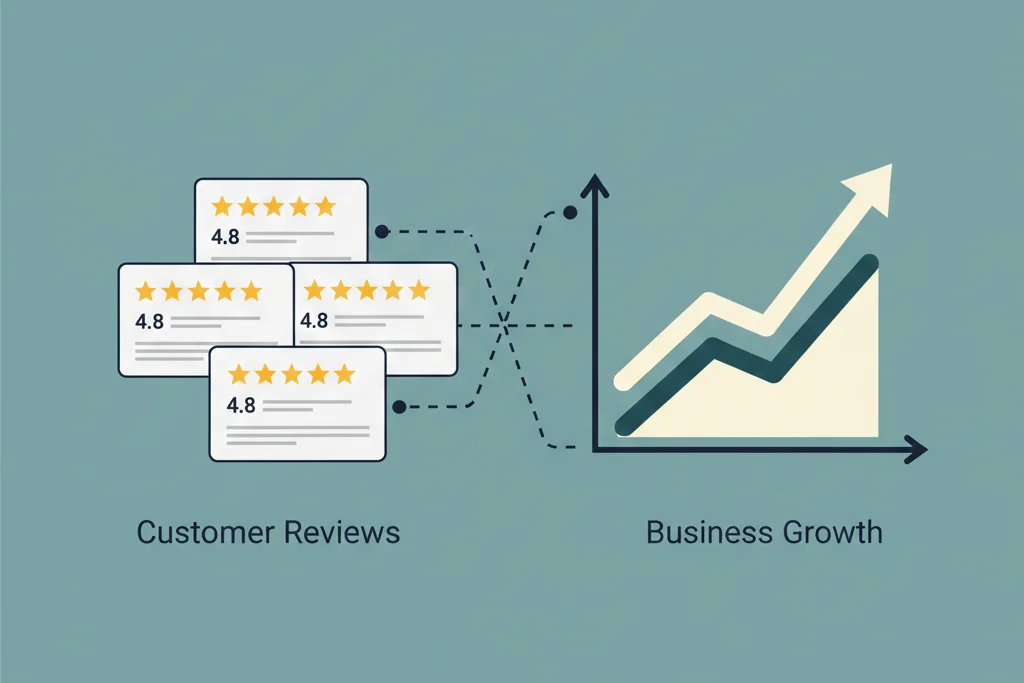
Reviews are arguably the most important ranking factor for the Local Pack. They drive relevance, prominence, and customer trust.
5.1. The Review Velocity Strategy
Google doesn’t just want a high star rating (though you need that). It wants fresh, frequent reviews. They call this “velocity.”
- How to Ask: Create a simple, automated review funnel. Right after a positive transaction, send an email or SMS asking the customer to leave a review. Pro-Tip: Direct them to your Google Business Profile review link first. Make it one click.
- When to Ask: Immediately after a positive service experience. The happy customer is the most likely to convert into a review writer. You want to strike while the iron’s hot, as they say.
5.2. Managing Your Texas Reputation
You have to respond to all reviews, good and bad. Honestly, this is where a lot of business owners drop the ball.
- Positive Reviews: Thank them, mention their service (use the keywords!), and invite them back.
- Negative Reviews: This is the hard part. My rule is: Don’t get defensive. Take the conversation offline immediately. Apologize for their experience, professionaly state that you’d like to resolve it, and provide a direct contact (email or phone) to discuss the matter privately.
Unique Texas Point: How to professionally handle a negative review from a local competitor or a particularly fiery Texas customer? Stick to the script. Be polite, be professional, and never admit fault in a public forum. Just offer a path to resolution. If it’s clearly a fake competitor review, flag it to Google. We didn’t test this exact scenario, so take this as a starting point, not a law, but remaining calm is key.
6. Advanced Texas Local SEO: Multi-Location and Future Trends
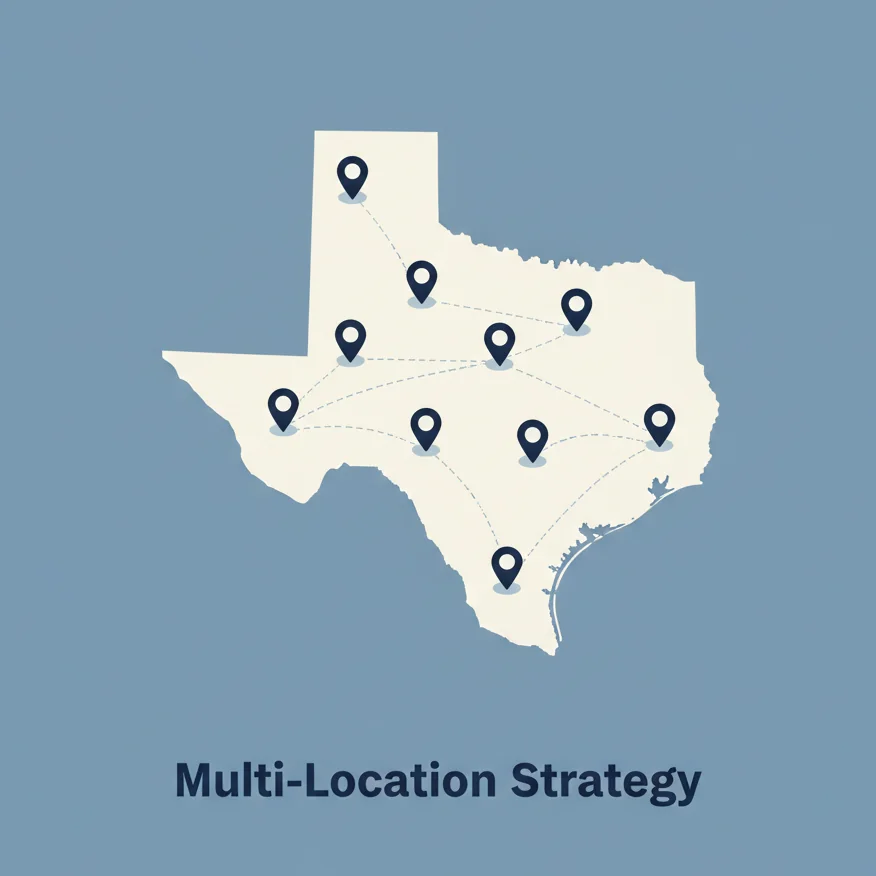
Once you’ve mastered the basics, it’s time to scale or look ahead.
6.1. Scaling Your Local SEO Across Multiple Texas Cities
If you’re opening up a second office in Houston or a third in San Antonio, you cannot share one GBP.
- Managing Separate GBP Profiles for Each Location. Each physical location needs its own unique GBP, its own unique phone number, and its own unique set of customer reviews. Keep them separate.
- Structuring Your Website for Franchise or Multi-Branch Locations. I’d use a sub-folder structure: yourdomain.com/locations/dallas/, yourdomain.com/locations/houston/. Each folder houses its own city page content, driving authority to that specific location.
6.2. The Future of Local Search (Voice, AI, and Next-Gen Maps)
The way people search is changing quickly. Don’t be caught flat-footed.
- Optimizing for Voice Search: People use natural language when they talk to Siri or Alexa. They don’t say, “Plumber San Antonio.” They say, “What’s the best plumber open now near me in San Antonio?” You need content that answers these long-tail, conversational queries.
- Preparing for AI Overviews: As AI Summaries become more common, they will often pull information directly from the Local Pack. The businesses that have the clearest, most optimized GBP, the best reviews, and the best structured data will be the ones that the AI trusts and uses for the answer.
7. Tools and Resources for the Texas Local Business Owner
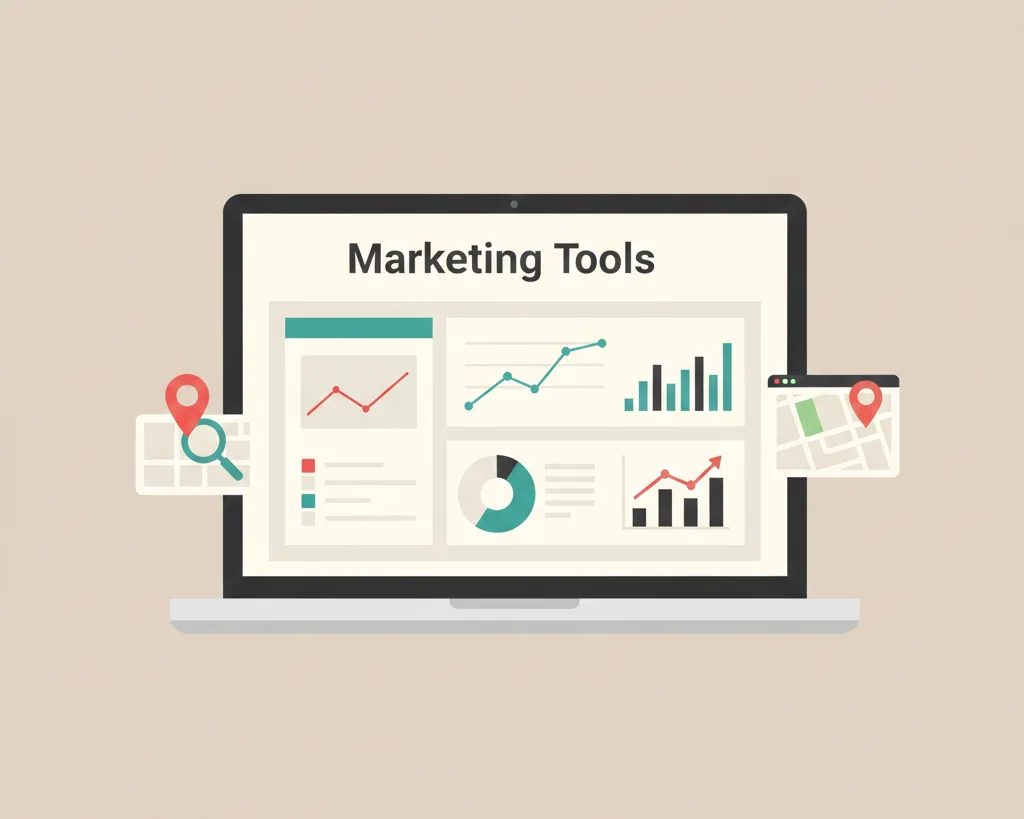
You don’t have to be a tech wizard to do this. You just need the right tools.
- Audit Tools:
- Semrush and Moz Local are great for checking overall SEO health and tracking local rankings.
- BrightLocal is purpose-built for Local SEO, perfect for managing your citations and monitoring your reviews.
- Local Texas SBDC/SBA Resources: Don’t forget the state-specific government support and training. The Texas Small Business Development Center (SBDC) offers incredible, often free, consulting services. They won’t do your SEO, but they can help you with the bigger business picture that makes SEO worthwhile.
Texas Local SEO FAQs
How long does it take to rank in the Texas Local Pack?
Honestly, this varies dramatically. If your business is brand new in a highly competitive market like Austin, it could take 6 to 12 months of consistent work to break into the three-pack. For an existing, well-known business in a less competitive market, it could be as fast as 3 to 4 months once your GBP and citations are cleaned up. It’s a marathon, not a sprint.
Do I need a separate website for each city?
No. That’s usually overkill and a pain to manage. Use the Texas Hub Strategy mentioned in Section 3.2. One strong domain, using sub-folders for each city, is the most efficient and powerful way to scale across multiple locations.
What is the most important factor for ranking a local business in Houston?
For a giant, saturated market like Houston, Prominence is key. That means Review Velocity and Authority Backlinks from local Houston sources. Everyone is relevant and close. The tie-breaker is who has the best reputation and strongest online authority signal.
How often should I update my Google Business Profile?
You should be creating a GBP Post at least once per week. Your photos should be updated at least once per month. New reviews should be responded to within 24-48 hours. Consistency is non-negotiable here.
Conclusion: Don’t Just Be Big, Be Visible (The Final Texas SEO Play)
Texas is massive, but the local search results are incredibly small. They are a coveted slice of digital real estate.
The success of your local business here won’t come from a single tactic. It comes from the consistent execution of the four pillars we covered:
- Total Optimization of your Google Business Profile.
- Hyper-Local Content on a technically sound website.
- Building Authority through Texas-specific citations and links.
- Harnessing Reviews and maintaining a pristine reputation.
Commit to this long-term, consistent strategy that honors the uniqueness of the Texas market. Stop hoping, start mapping. You’ve got the guide.