

Most marketers I talk to treat Ahrefs like a glorified spell-checker for backlinks.
They log in, check their Domain Rating, maybe peek at a keyword volume, and log out.
Honestly, that drives me nuts.
It’s like buying a Ferrari just to drive it to the grocery store at 20 mph. You are paying for a V12 engine, but you are using it like a bicycle.
In 2026, data isn’t a luxury feature anymore. It is the baseline. If you are trying to run a marketing campaign without deep intelligence, you aren’t marketing. You’re just gambling with a budget.
So, we need a pivot.
We need to stop looking at Ahrefs as just an “SEO tool” for ranking keywords. We have to start treating it as a full-stack Market Intelligence operating system.
I’m talking about a setup that handles your content strategy, your digital PR, your technical health, and yes, legitimate competitive espionage.
This isn’t a manual on what every button does. You can read the docs for that. This is a strategy guide on how to actually win market share using the data everyone else is ignoring.
Ready? Let’s get into the weeds.
Phase 1: Competitive Espionage (Know Thy Enemy)
Here is where I usually mess up if I rush. I look at a competitor, see a high Domain Rating (DR), and get intimidated.
Don’t do that.
Vanity metrics lie. I’ve seen sites with massive DR that get zero traffic and make zero dollars. You need to look at Traffic Value.
Ignore the Vanity, Chase the Value
Open up the Site Explorer and plug in your biggest competitor. Ignore the big orange DR number for a second. Look at the “Traffic Value” metric right next to it.
This number estimates what their organic traffic would cost if they had to pay for it via Google Ads.
If a site has 100,000 visitors but a Traffic Value of $500, they are ranking for garbage keywords that nobody bids on. But if they have 10,000 visitors and a Traffic Value of $50,000? That is the gold mine.
They are ranking for “commercial intent” keywords. That is who you want to copy.
The “Top Pages” Report Hack
This is the first thing I check when auditing a new niche.
Go to Pages > Top Pages.
Sort by Traffic Value (high to low).
Now you can see exactly which pages are making them money. It’s usually not their viral blog posts about “industry news.” It is boring “Best X for Y” pages or comparison guides.
Look at their URL structure too. Are they driving traffic to /blog/ or /solutions/? If their top pages are all product pages, you know they have high brand authority. If it’s all blog content, they are winning on information, not brand.
Reverse-Engineering Ad Spend
Here is a trick most SEOs skip because they think “Ahrefs is for organic.”
Wrong.
Go to the Paid Search tab.
If your competitor is bidding on a keyword, they are spending real cash. Companies don’t like losing money. If they have been bidding on a keyword for six months, it means that keyword converts.
I use this to steal their ad copy. What value proposition are they highlighting? “Free shipping”? “24/7 Support”? “No credit card required”?
Take those hooks and inject them into your organic meta descriptions. You just got high-converting copy without spending a dime on testing.
The Link Intersect Tool
This tool is practically a cheat code.
Go to Link Intersect.
Put 3 of your competitors in the top fields.
Put your site in the “But doesn’t link to” field.
Hit “Show link opportunities.”
You will get a list of sites that link to Competitor A, B, and C, but not you. These are the “Super-Connectors.”
If a site links to three of your rivals, they aren’t biased. They are likely a resource page or a “best of” list. They want to link to good tools. You just haven’t asked them yet.
Phase 2: The Content Engine (Targeting Topics, Not Just Keywords)
I remember back in 2018 when we could just stuff “best running shoes” into a post ten times and rank.
Those days are gone.
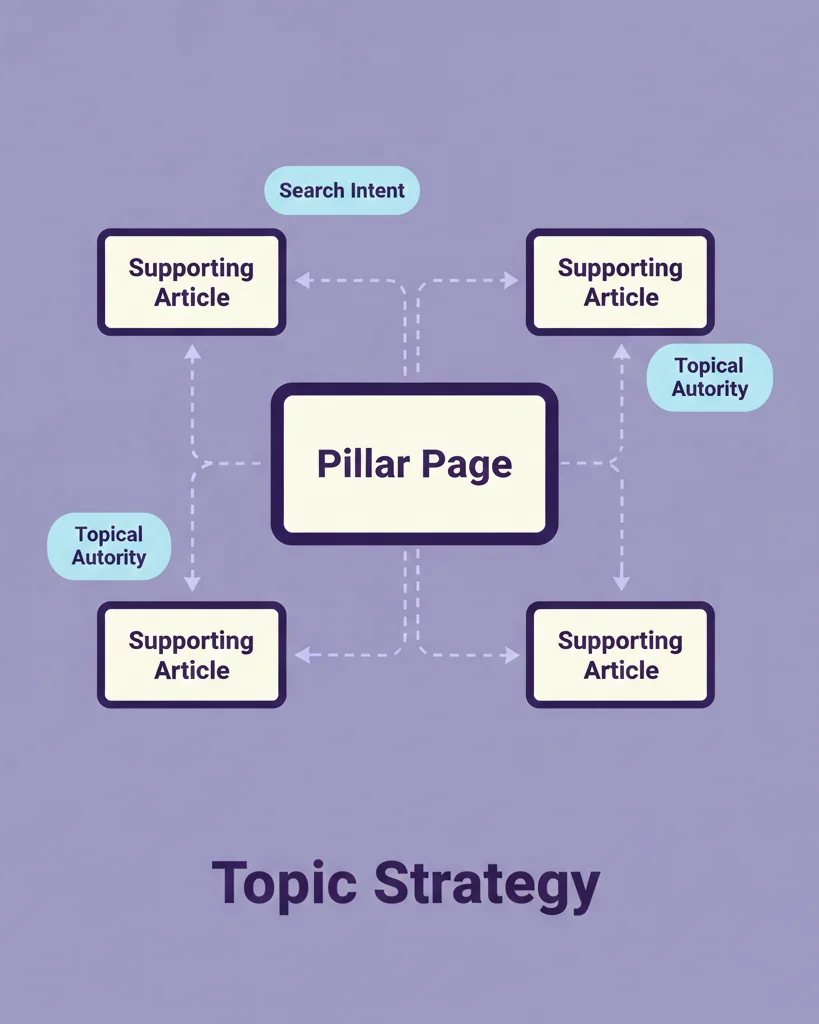
Google thinks in entities and topics now, not just strings of text.
Keyword Research in the AI Era
Single keywords are dead. You need to build Topical Authority.
When you use Keywords Explorer, don’t just look at the list. Look at the Parent Topic.
Ahrefs groups similar keywords together. If you write a separate article for “how to clean sneakers” and “cleaning tennis shoes,” you are cannibalizing yourself. Google knows they are the same thing.
I honestly rely on the “Terms Match” report more than anything else now. It tells me the sub-topics I need to cover to be considered an expert.
The Content Gap Analysis
This is the easiest win for increasing traffic quickly.
- Go to Site Explorer > Content Gap.
- Plug in your competitors.
- Hit “Show keywords.”
Now, filter for Volume > 500 and KD (Keyword Difficulty) < 30.
These are keywords your competitors rank for, but you don’t even exist for. You aren’t just losing, you aren’t even on the field.
Make a list. This is your content calendar for the next 3 months.
Understanding Search Intent
Here is where I see people waste thousands of dollars.
They try to rank a “Ultimate Guide” blog post for a keyword where Google only wants to show product pages.
Before you write a single word, check the SERP Overview in Ahrefs.
- Are the top 3 results tools? Build a tool.
- Are they listicles? Write a listicle.
- Are they definitions? Write a glossary.
If you see a “Mixed Intent” SERP (some blogs, some products), that’s your opportunity to disrupt.
Video Marketing Strategy
Everyone forgets Ahrefs does YouTube SEO.
Change the search engine dropdown from “Google” to “YouTube.”
Search for your main topics. Look for high search volume but low competition.
If you see a topic with 5,000 monthly searches on YouTube but the top videos are from 5 years ago with terrible audio quality… grab a camera. You can dominate that space in a week.
Phase 3: Authority Building & Digital PR
Outreach sucks. I hate it. You probably hate it.
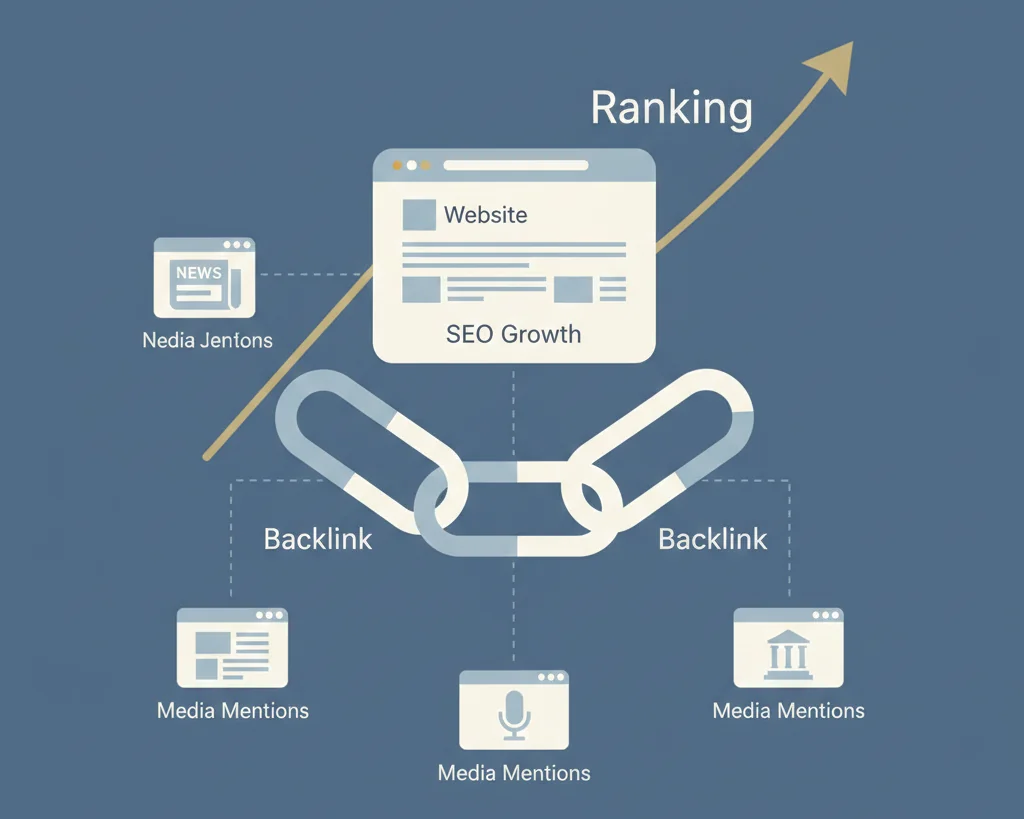
But you can’t rank without authority. Here is how to do it without spamming people.
Unlinked Brand Mentions
This is the lowest hanging fruit in the history of fruit.
Use Content Explorer. Search for your brand name (e.g., “Nike” OR “Nike.com”).
Add a filter: Highlight unlinked domains.
Now you have a list of people who are already talking about you but didn’t link.
Email them. Say thanks for the mention. Ask politely if they could make it clickable so their readers can find you.
I’d say this converts at about 20-30% for me. That is unheard of in cold outreach.
Newsjacking with Content Explorer
Journalists are lazy. They need sources fast.
Use Content Explorer to find trending topics in your niche. Filter by “Published: Last 30 days” and “Language: English.”
Find the authors who are writing about these trends right now.
Pitch them a unique data point or a contrarian opinion. “I saw your article on AI marketing. We actually found that AI content has a 10% higher bounce rate. Here is the data.”
Bam. You are now a source.
The “Skyscraper 2.0” Technique
The original Skyscraper technique (find good content, write better content, ask for links) is kind of played out.
I use the Best by Links report to modernize it.
Look at a competitor’s site. See which pages have the most backlinks.
Usually, it’s some outdated study from 2019.
Create a 2026 version of that study.
Then, reach out to everyone linking to the old one. “Hey, I noticed you linked to this 2019 study. It’s a bit old now. We just released the 2026 data if you want to keep your post fresh.”
You are doing them a favor, not asking for a handout.
Phase 4: Technical Health & User Experience
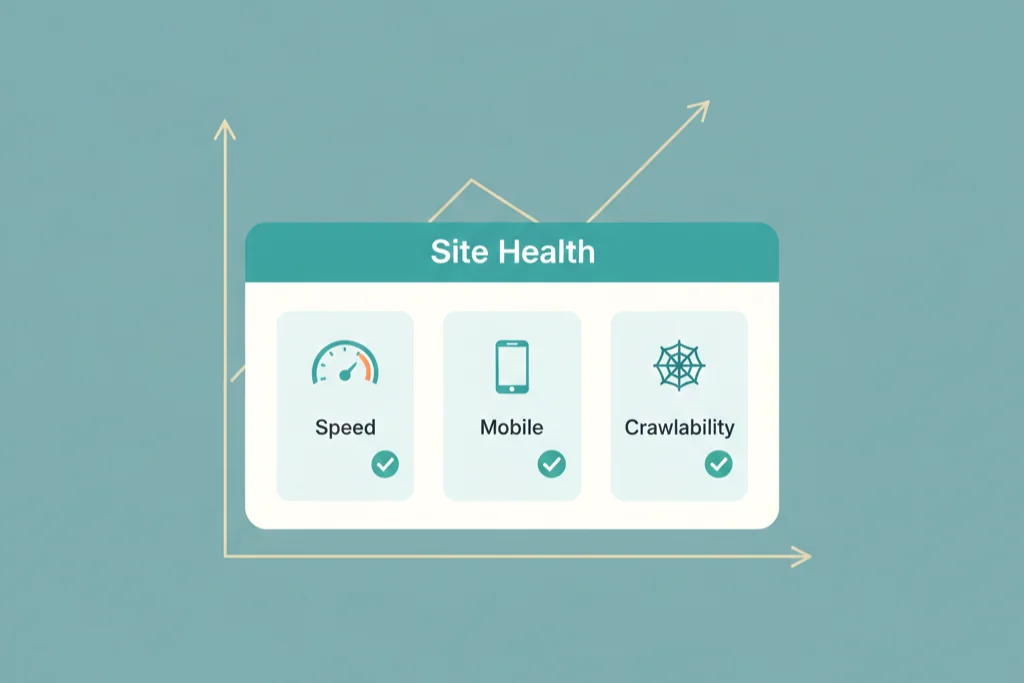
I’ll be honest, I usually find technical audits boring. But they are critical.
The Site Audit Beyond Errors
Most people just fix the 404 errors and call it a day.
Dig deeper. Look at Internal Link Opportunities.
Ahrefs scans your text and suggests places where you should have linked to your other articles but forgot.
This is massive for passing link juice. If you have a powerful homepage, you need to funnel that power to your new blog posts.
Orphan Pages
Go to Site Audit > Links > Orphan Pages.
These are pages that exist on your site but have zero internal links pointing to them. Google can barely find them. Users definitely can’t find them.
It’s like building a room in your house and bricking over the door.
Link to them or delete them.
Content Decay Tracking
This is painful to watch but necessary.
Go to Site Explorer > Organic Keywords.
Filter by Position: Decline.
Spot pages that used to be in the top 3 but have slipped to position 6 or 7.
These pages don’t need a total rewrite. They just need a “refresh.” Update the stats, add a new section, maybe embed a video.
I recover so much traffic just by doing this once a quarter.
Phase 5: Advanced Ahrefs for the 2026 Marketer
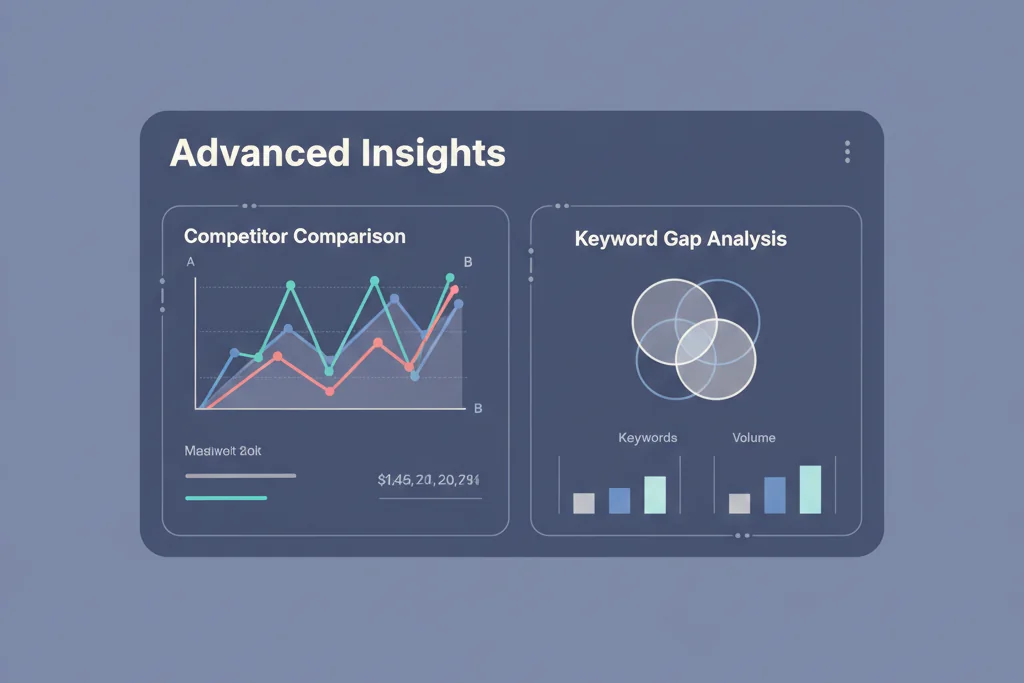
If you are just doing the basics, you are falling behind. Here is the advanced stuff.
Tracking “Share of Voice”
Rankings fluctuate daily. I don’t care if I dropped from #2 to #3 for one day.
I care about Share of Voice (SOV).
Set up a Competitor Tracker in the Rank Tracker tool. It visualizes your dominance compared to everyone else.
If your SOV is trending up while your competitor is trending down, you are winning the war, even if you lost a battle on one keyword.
Looker Studio Integration
Stop taking screenshots of graphs to send to your boss or clients.
Use the Ahrefs connector for Looker Studio (formerly Google Data Studio).
Build a live dashboard. It updates automatically. It makes you look like a wizard, and it saves you three hours of reporting time every Monday.
Batch Analysis
Imagine you have a list of 200 potential partners or guest post sites.
Do not check them one by one. You will die of old age.
Use Batch Analysis. Paste up to 200 URLs.
In ten seconds, you get the DR, traffic, and keyword data for all of them. Sort by traffic, delete the duds, and focus on the winners.
Pricing vs. Value: Is It Worth It?
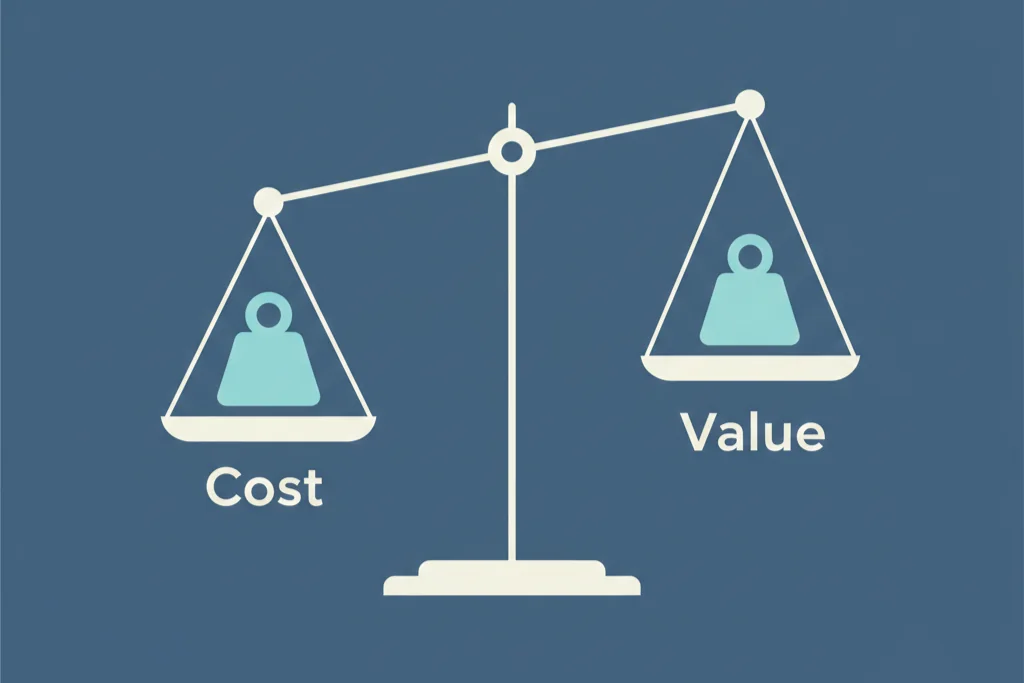
Let’s address the elephant. Ahrefs isn’t cheap. They changed their pricing model recently, and people got mad.
I get it. Subscriptions add up.
But do the ROI math.
If the Content Gap tool finds you one keyword that brings in a customer worth $500, the tool pays for itself for the month.
If Link Intersect helps you land a backlink from a DR80 site, that alone would cost you $1,000+ to buy from an agency (which you shouldn’t do, but that’s the market rate).
Free tools like Ubersuggest or Google Search Console are fine for beginners. But GSC doesn’t tell you what your competitors are doing. It only tells you what you are doing.
In a competitive niche, flying without competitor data is suicide.
Conclusion: Data is Your Compass
Digital marketing is a war for attention. Ahrefs provides the map and the weaponry.
But here is my final advice: Don’t get addicted to the data.
I’ve seen marketers spend all day refreshing their rank tracker, celebrating a +1 move, and crying over a -2 move.
That is not work. That is anxiety.
Use the tool to find the insight. Then close the tab and go do the work. Write the post. Send the email. Fix the code.
Your Next Step:
Go run a Site Audit right now. Not tomorrow. Now.
Find the technical leaks in your bucket before you pour any more water (traffic) into it.
Good luck out there.