

Let me guess. You’re either shopping for an SEO agency right now, or you’re already paying one and something just feels off.
Maybe the reports are beautiful, but your bottom line is still flat. Maybe they’re talking about “proprietary platforms” and “secret sauce,” but you can’t actually see the work. Honestly, this part trips people up all the time. Hiring an SEO agency is tough because the process itself is complex and the results are never instant, which gives a lot of bad operators room to hide.
The entire goal of this guide is to give you a definitive checklist, a kind of field manual, for vetting an SEO partner. We aren’t just looking for minor irritations here. We’re hunting for the red flags that can actively damage your brand, lead to a Google penalty, or just quietly burn a hole in your marketing budget for a year.
By the end of this article, you will know exactly what a trustworthy, revenue-focused SEO partner looks like, and more importantly, how to spot the 21 warning signs that scream: “Run away.”
Let’s dive into the danger zone.
The Most Dangerous Red Flags (Guarantees and Quick Wins)
We’re kicking things off with the big ones. These are the red flags that don’t just mean poor performance. They mean high risk and potential, irreversible damage to your site’s ranking potential.
Red Flag 1: They Guarantee #1 Rankings in a Fixed Time
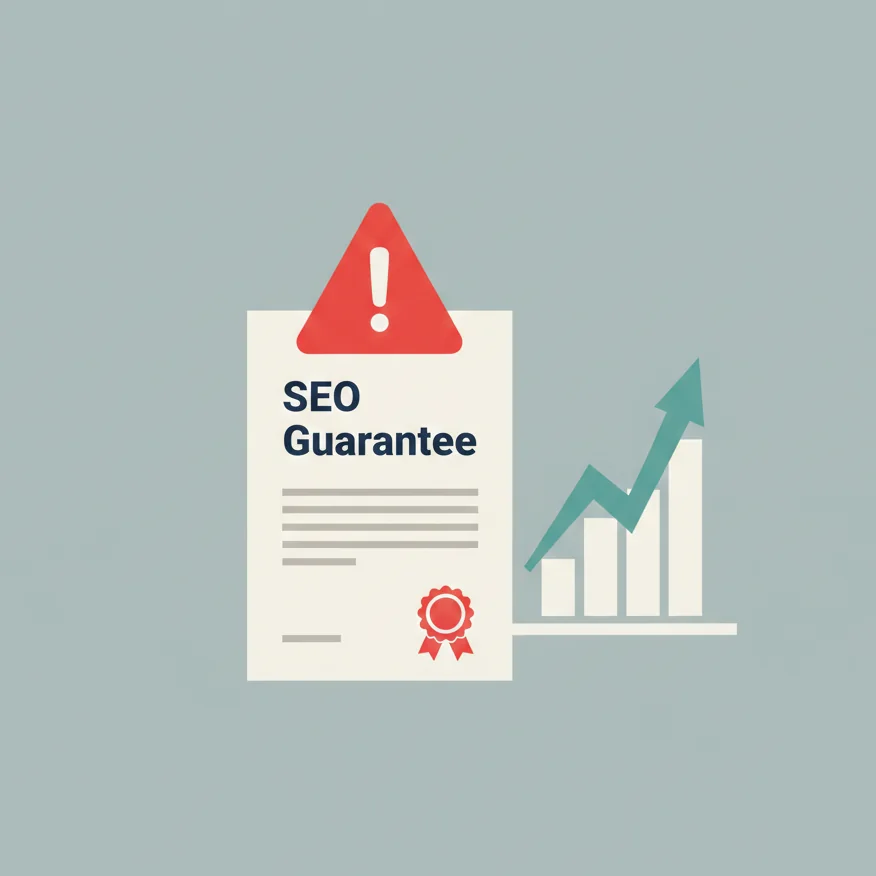
If an agency leads with a promise of “We guarantee you the #1 spot for X keyword in 90 days,” you should grab your coat and run for the exit. Seriously, this is a universal sign of an unethical operator.
Here’s why it’s impossible: Google controls the algorithm, not the agency. No one, and I mean no one, has a direct line to the people at Google who manually or algorithmically rank your pages. Google itself states clearly, on its own SEO starter guide, to beware of SEOs who promise high rankings.
A guarantee for a specific ranking is a promise that can only be kept through risky, black-hat tactics that game the system. If they even manage it, it’s a fleeting win that sets you up for an inevitable crash when Google catches up.
The Right Alternative: A good agency doesn’t guarantee rank. They offer a realistic projection based on competitive analysis and historic data. They focus on measurable, non-ranking business KPIs: how many leads are we generating from organic search? What is the revenue lift from new customers? Are brand searches increasing over time? That’s what matters.
Red Flag 2: Pushing Black Hat or “Secret Sauce” Tactics

Any time you hear an SEO agency use phrases like “Our secret sauce,” “We have exclusive access,” or “It’s a loophole Google hasn’t closed yet,” you’re dealing with a black hat practitioner.
These methods include notorious, site-killing practices like PBNs (Private Blog Networks), automated link building services, aggressive keyword stuffing, and even cloaking (showing users different content than what Google sees). I might be wrong, but my previous experience tells me that agencies that use black hat tactics usually don’t stick around long, or they just keep changing names.
The severe, long-term consequences here are a Google manual action or a complete de-indexing of your site. I once worked with a client who came to me after their previous agency spent a year building thousands of low-quality, automated links. The site was doing well for a few months, and then, bam. They got a manual penalty that took us eight months of painstaking work to clean up and recover from. They lost hundreds of thousands in sales in that period. Don’t let that happen to you.
Red Flag 3: Hyper-Focus on Link Quantity Over Quality
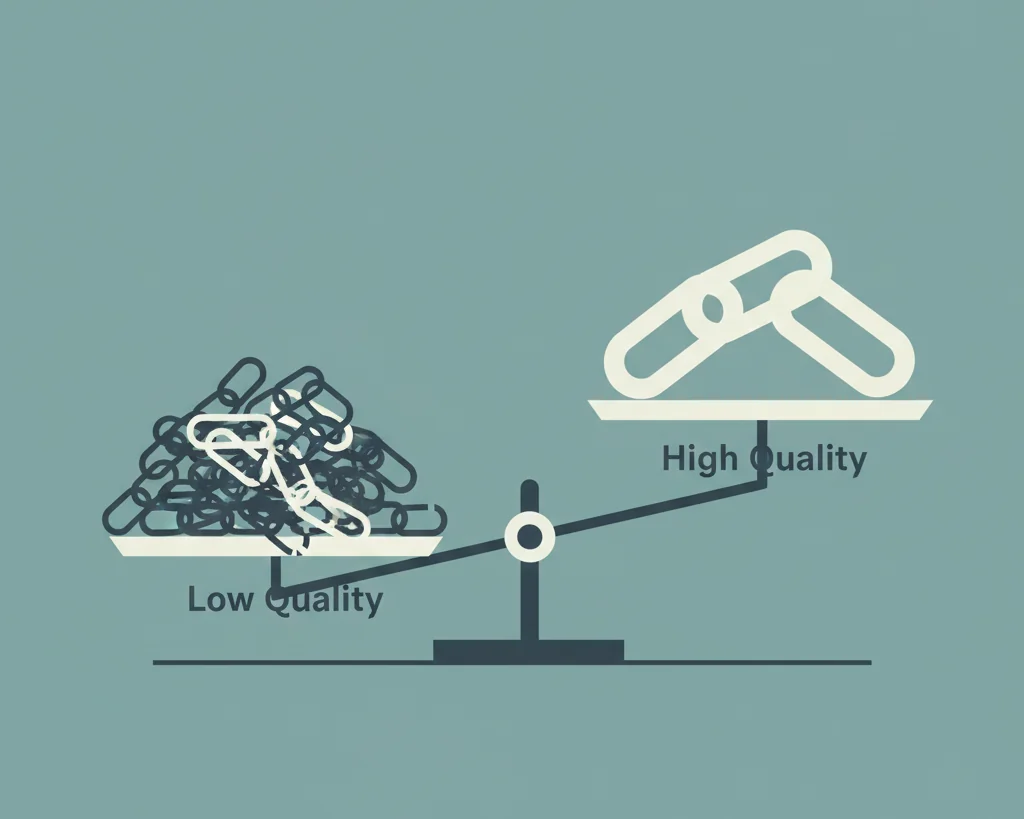
A few years ago, you could spam 1,000 links and see a ranking bump. That world is dead. Today, when we talk about links, relevance and authority are everything.
If the agency is promising you hundreds of links per month but can’t tell you the domain authority or relevance of those sites, they’re playing a losing game. Signs of a bad link profile include links from irrelevant foreign sites, automated blog comments, or massive, unnatural link spikes that show up overnight.
The Right Alternative: A solid agency focuses on a strategy built around high-quality content that naturally earns links, combined with real, professional digital PR and outreach. They aim for links from reputable, in-niche sites that actually send qualified referral traffic, not just link equity. You want one quality link, not 100 junk ones.
Red Flags in Transparency and Reporting
You’re hiring a partner, not a magician. If you can’t see what they’re doing, they’re not a partner. They’re a liability.
Red Flag 4: Lack of Comprehensive, Transparent Reporting
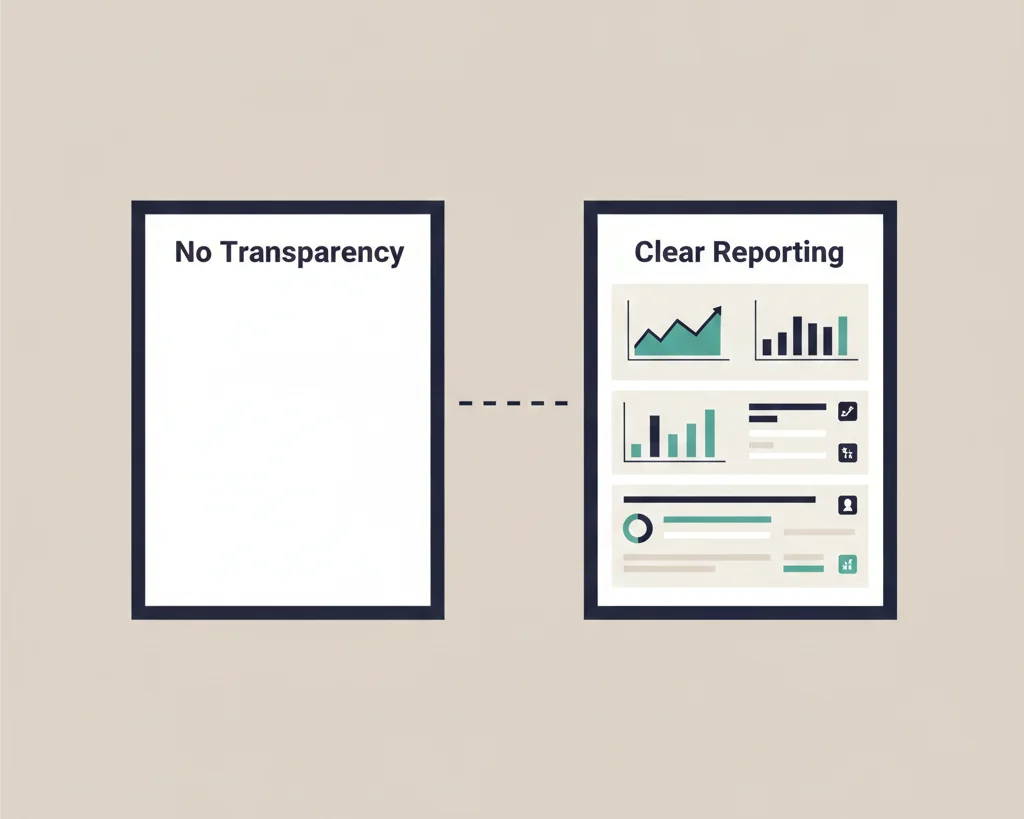
A glossy PDF filled with graphs and charts does not equal transparent reporting. Bad agencies lean heavily on vanity metrics that look good but mean nothing for your business.
We’re talking about general keyword rankings without traffic context, huge “Impressions” numbers that don’t translate to clicks, or high bounce rates on pages that clearly aren’t converting. Here’s where I’d probably mess this up if I rushed: I’d accept the pretty report at face value. A good agency gives you direct access to the raw data in Google Analytics (GA) and Search Console (GSC), and they are happy to show you their Ahrefs or Semrush reports for your site. No hiding the ball.
Red Flag 5: The “Proprietary Platform” Trap
If an agency insists you must use their own closed, proprietary CMS or in-house dashboard, see this as a huge warning. They are essentially locking your business in.
The moment you want to leave, you can’t take your data or your carefully structured website with you easily. You must own your own data and be on an open, reputable platform like WordPress, Shopify, or something similar. Your site, your data, your platform. Period.
Red Flag 6: Vague or Jargon-Filled Explanations
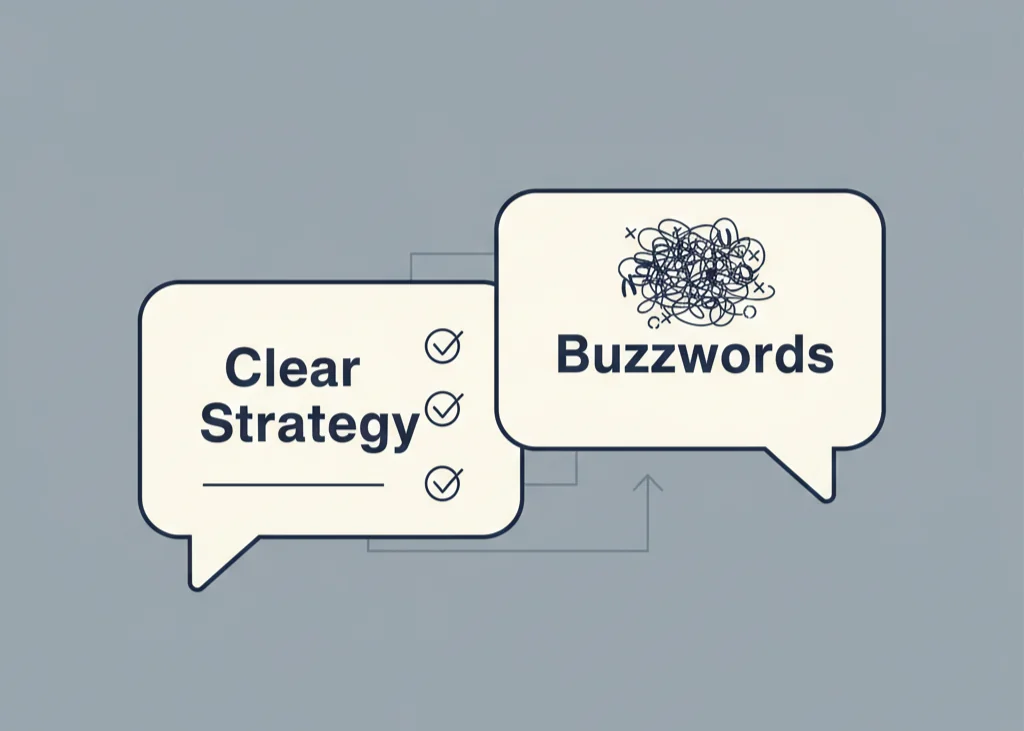
Honestly, this one is frustrating. We all use technical terms in SEO: canonical tags, index bloat, schema markup. But a good agency knows how to translate those things into a clear, business-focused explanation.
If they constantly hide behind jargon or use the ‘secret sauce’ excuse for not detailing their monthly work plan, they’re either incompetent or they’re doing something they don’t want you to see. A good agency will educate you and help you understand how their work on, say, your Core Web Vitals, translates into a better user experience and better rankings.
Red Flag 7: No Mention of Business-Centric KPIs (Conversion, Revenue)
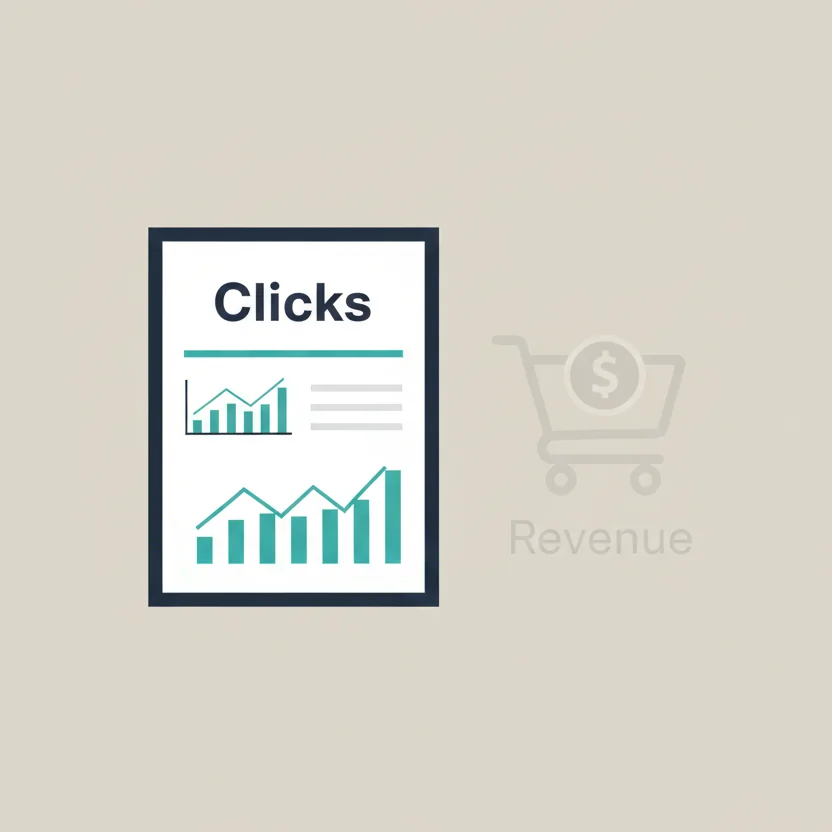
If all your monthly reports talk about is organic traffic volume and keyword ranking position, you have a problem. Organic traffic and rankings alone are absolutely meaningless if they aren’t translating into action.
A top-tier SEO partner insists on leads, sales, and ROI as the primary metrics for success. We don’t just want visitors. We want qualified visitors who convert. Ask them: “How are you tracking my business revenue and connecting it back to organic traffic?” If they shrug, move on.
Red Flags in Strategy and Customization
SEO isn’t one size fits all. If the agency treats your unique business like a copy-paste project, they will fail.
Red Flag 8: The Cookie-Cutter Strategy or Tiered Packages
Watch out for an agency that offers Bronze, Silver, and Gold packages without even doing a prior website audit.
Every business is unique. Your technical stack is different. Your competitors are different. Your audience is different. A quality agency refuses to offer a fixed package until they have asked deep questions about your industry, audience, and sales funnel. The right alternative is a custom strategy based on a deep, tailored audit that identifies the specific constraints and opportunities unique to your site.
Red Flag 9: Ignoring Content or Technical SEO
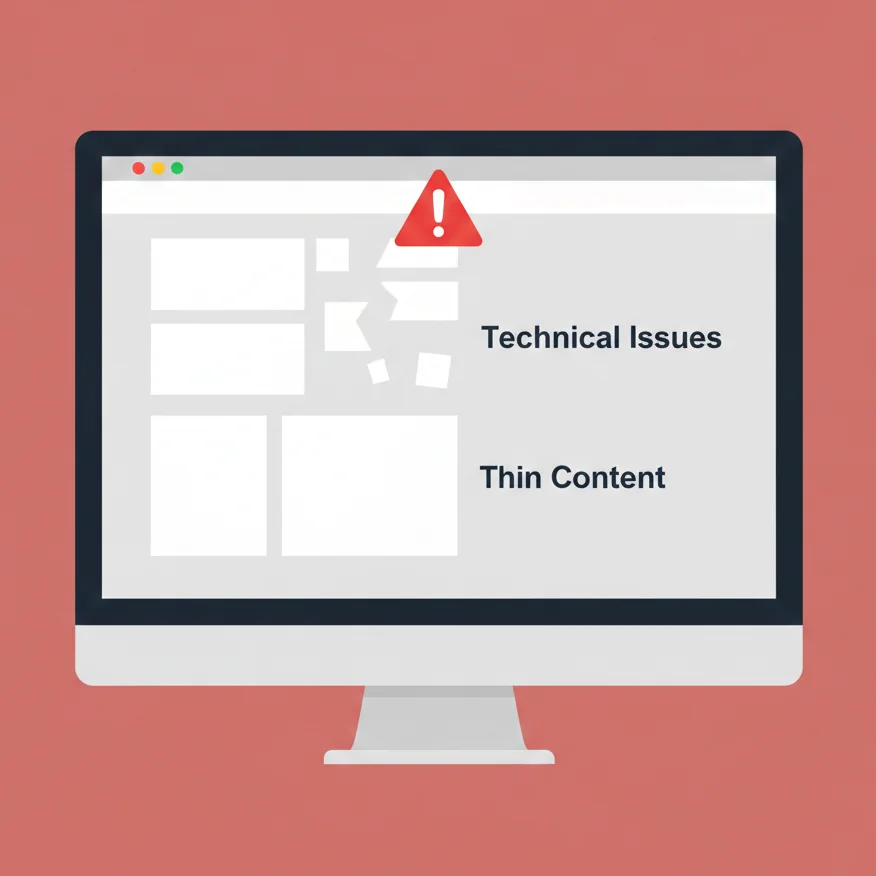
SEO has three core pillars: Technical, Content, and Off-Page (Links). If an agency focuses on only one pillar, they will fail long term.
For example, an agency that only builds links but ignores your site’s slow loading speed is wasting money. An agency that only fixes title tags but doesn’t write helpful content is just applying bandages. You need an integrated approach that balances everything.
Red Flag 10: No Clear Strategy for Algorithmic Updates
Google rolls out Core Updates several times a year. These are massive shifts that can flip the search results overnight. Your agency needs a plan for handling them.
They should have a process to monitor and adapt to shifts like E-E-A-T (Experience, Expertise, Authoritativeness, Trustworthiness) or the Helpful Content System. If they use an algorithm update as a constant scapegoat for poor performance without offering a corrective plan, they lack expertise.
Red Flag 11: Ignoring Your Existing Assets or Brand Guidelines
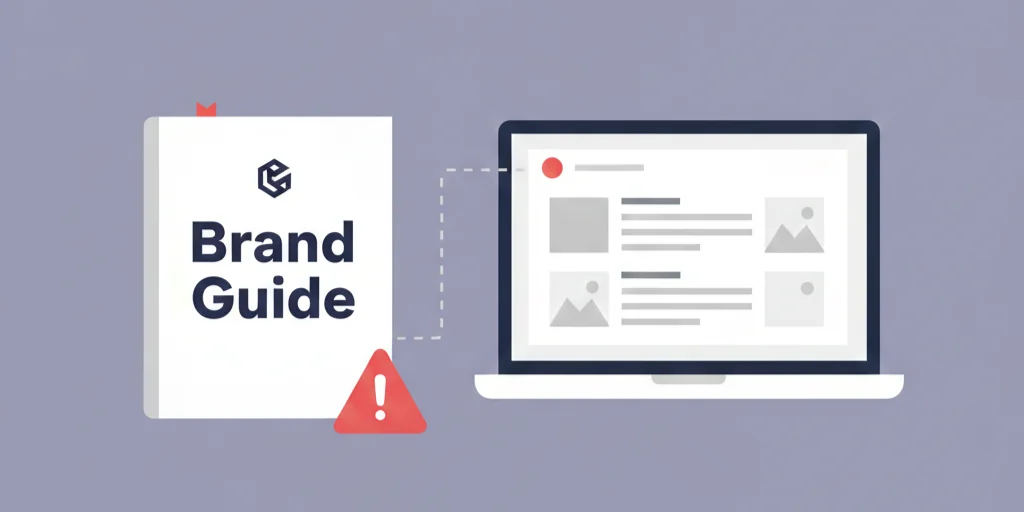
Content needs to match your brand voice and core message. If the agency’s content sounds generic, off-brand, or just plain weird, it hurts your credibility.
More importantly, a savvy SEO partner will leverage your internal subject matter experts to boost E-E-A-T signals. They’ll want to interview your engineers, your sales team, or your founder, because Google values real-world experience. If they don’t ask for this, they’re missing a huge opportunity.
Red Flags in Communication and Accountability
The relationship with your agency should be a true partnership. If the communication is a mess, the work will be too.
Red Flag 12: Poor Communication and Slow Response Times
This is simple customer service, but it’s critical. If emails go unanswered for days or weeks, or if check-in meetings are consistently rescheduled, it means your account is not a priority. This is the surest sign you’re just a number on a giant spreadsheet.
Red Flag 13: Bait-and-Switch on Account Management
This is where the ‘Rockstar Sales Rep’ sells you a dream, and then the moment you sign the contract, you get handed off to a brand new, inexperienced Account Manager who has no real SEO expertise.
Before signing the contract, always ask to meet the dedicated Account Manager and the SEO Lead who will be directly managing your strategy. If they refuse, assume the person doing the work is not the person you’re talking to now.
Red Flag 14: Long-Term, Non-Cancellable Contracts
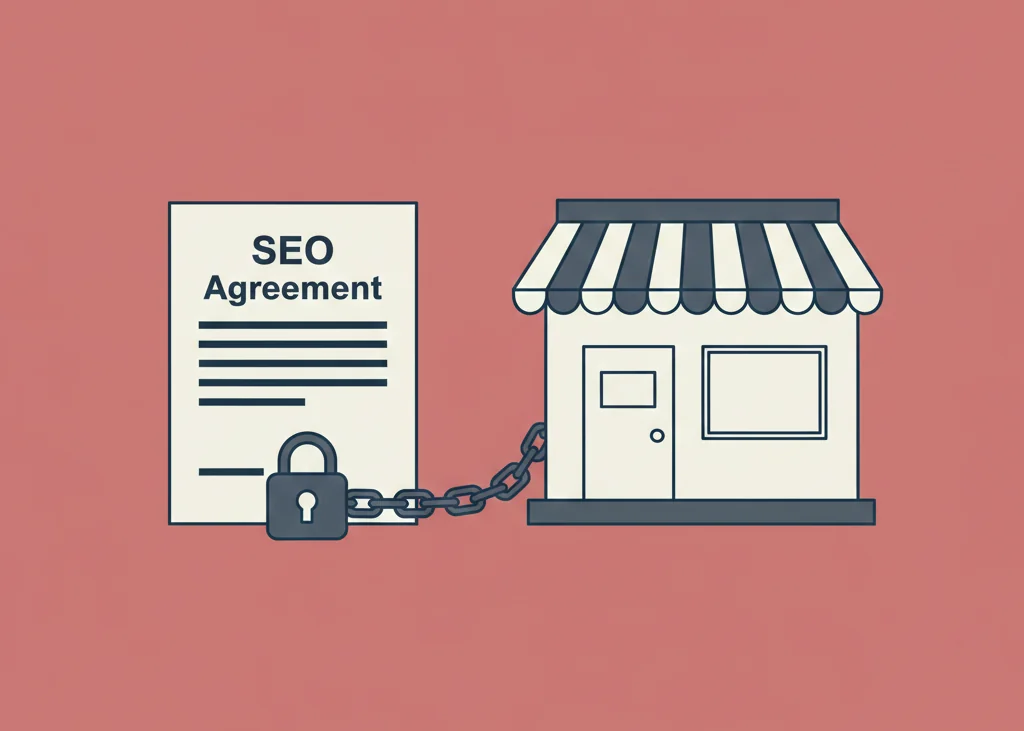
Forcing a 12+ month contract, especially for a new client, is a huge sign of a business model built on trapping clients, not satisfying them.
While it’s true that you need about 6-9 months to see early traction, an ethical model offers a short initial commitment (say, 3-6 months) followed by a month-to-month agreement. They should be confident enough in their work to believe you will stay because of results, not because of a legal contract.
Red Flag 15: Secretly Outsourcing Core Work (Content, Links)
There is a huge danger in having your core work offshore outsourced without your knowledge, particularly for content. This often results in poor English, a lack of cultural context, and a failure to capture your brand’s subtlety.
The key question to ask: “Who, specifically, is building my links and writing my content? Are they in-house?” Be direct. If they hedge, they are likely passing your sensitive work and data to a low-cost, third-party provider.
Red Flag 16: Not Requesting Access to Critical Business Data
If your agency never asks about your sales funnel, your typical customer profile, or your CRM data, they aren’t truly doing their job.
Great SEO connects to the business. They should be asking to link SEO data from GSC and GA directly to your lead and sales data so they can optimize for revenue, not just clicks. If they are happy just looking at traffic volume, they are operating in a silo.
Red Flags Related to the Agency’s Own Presence
If they can’t optimize themselves, why should you trust them to optimize you?
Red Flag 17: Their Own Website Ranks Poorly or is Technically Broken
An SEO agency that can’t rank for its own high-value keywords (like “best SEO agency in [Your City]”) is selling you snake oil. Even worse: if their own website is slow, non-mobile-friendly, or riddled with technical errors, it’s a massive contradiction. They are selling optimization but failing to execute it on their own property. This is hypocrisy, plain and simple.
Red Flag 18: No Public Client Case Studies or References
A solid agency will have public case studies that detail the process and the results, using real numbers and, ideally, client quotes.
If they refuse to provide references from clients in your industry, and claim that all their client work is “confidential,” they probably don’t have any good success stories to share. Ask for at least one reference you can call. If they say no, walk away.
Red Flag 19: The Price is Too Good to Be True
This is simple business reality. Quality, bespoke SEO requires high-level talent: a strategist, a technical expert, a content writer, and a link builder. You cannot get that team for $500/month.
If the price is dramatically lower than the industry standard, you are buying cheap, automated, or black-hat work. The hidden costs of cheap SEO are Google penalties, wasted time, and the eventual, painful loss of rank when the quick fix inevitably fails. Pay for quality, or you will pay more later.
Your Exit Plan: What To Do If You Spot These Signs
So, you’ve spotted a few too many red flags. You need a strategy to get out without damaging your business.
Document and Audit the Work
Before you give notice, you need to run a quick internal audit. You don’t need to be an expert. Use a free tool like Screaming Frog to quickly crawl your site and find technical errors, and download your free reports from GSC for historical data. Most importantly, identify any damaging links built by the agency. You may need to start preparing a Disavow list of bad links to tell Google you want to ignore them.
Protect Your Assets
This step is crucial. Immediately change all your passwords and revoke agency access to your GSC, GA, and CMS. If they have FTP access to your site, kill it immediately. Make sure you own all the content and link assets (e.g., guest posts) created on your behalf. Don’t let them claim ownership of the things they created with your money.
Vetting a New, Trustworthy Partner
When you interview a replacement, look for the opposite of the red flags. A good agency will do the following:
- Offer a realistic, data-driven timeline (6+ months to see real ROI).
- Focus primarily on Conversion Rate Optimization (CRO) and revenue.
- Detail their methods clearly (no “secret sauce”).
- Provide a dedicated team and clear lines of communication.
The key questions to ask a new agency to screen out the old red flags: “How would you handle a major Google core update?” and “Can you show me a recent successful link placement?” Their answers will tell you everything.
Conclusion: The SEO Partner You Deserve
Great SEO is a marathon, and it is a partnership, not a transaction. You are looking for a firm that is transparent, ethical, and focused on your revenue, not just your rankings. The difference between a bad agency and a great one isn’t just wasted money. It’s the difference between scaling your business and watching a Google penalty wipe out your visibility.
Be vigilant. Ask the hard questions. Demand transparency. You deserve an SEO partner who genuinely invests in your success.