

The “spray and pray” method of PR is officially dead.
In 2026, journalists are outnumbered by PR pros 8 to 1. And thanks to AI tools that can churn out garbage at the speed of light, their inboxes are flooded with spam. They are more defensive than ever.
If you are still buying a generic media list and blasting the same press release to 500 reporters, you aren’t just wasting money. You are actively damaging your domain reputation. Spam filters are smarter now, they know when you are being lazy.
Successful media outreach today requires a sniper approach, not a shotgun.1
It is about “Hyper-Personalization” and optimizing for what we call the “Dual Audience.” You are pitching to human journalists, yes. But you are also pitching to the AI models that scrape content to answer user questions.
This guide lays out the modern playbook for earning coverage that actually drives growth.
The New Reality of Media Relations in 2026
Before we get to the tactics, we have to look at the battlefield. It has changed.
The “Trust Crisis”
We live in an era of deepfakes and AI sludge. Authentic, human-verified stories are the new gold standard. Journalists are terrified of publishing something fake. If you can prove you are a real human with real data, you automatically stand out.
The “Zero-Click” Media Landscape
This is the part that trips people up. Your coverage might not always drive a direct click to your website.
People are using tools like ChatGPT or Perplexity to ask questions.2 If an AI reads your coverage in The New York Times or a niche trade blog, it cites you as the answer. That is the win. You are playing for citation, not just traffic.
The Death of the Generic Pitch
Journalists now have AI tools of their own. They set up filters to auto-archive anything that smells like a template. If your email starts with “Dear [FirstName], I hope this email finds you well,” it is likely going straight to the trash.
Phase 1: The “Pre-Pitch” Intelligence (The Architect)
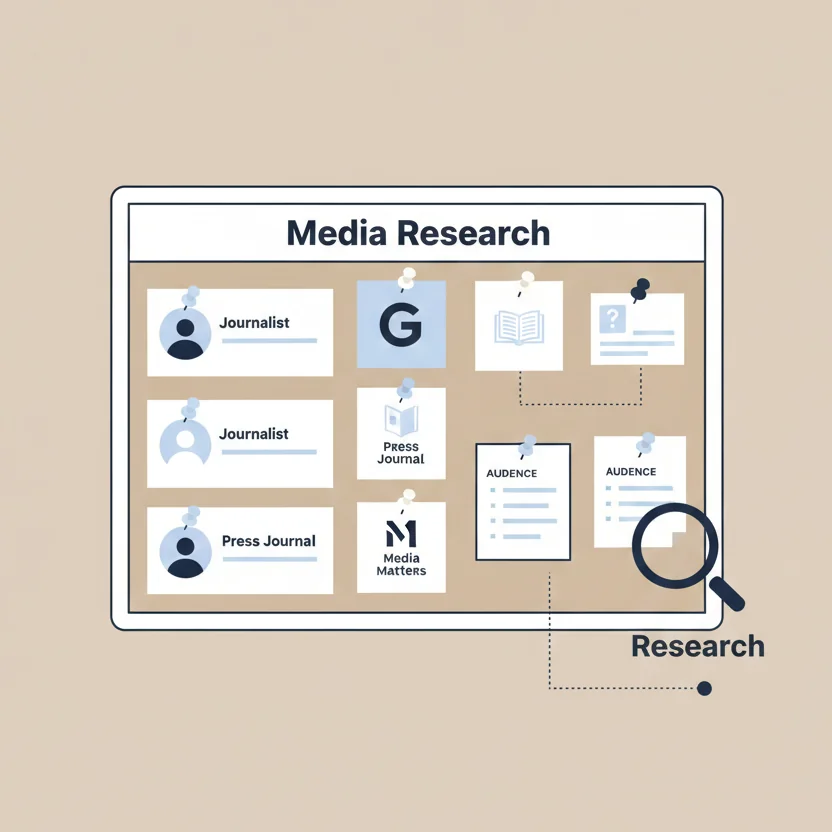
Most people skip this. They want to start emailing immediately. That is a mistake.
Building a “Sniper” Media List
Quality beats quantity every time. A list of 20 relevant contacts who actually cover your niche beats a list of 2,000 random email addresses.
I might be wrong, but I’d bet that 90% of your “bounced” emails come from buying cheap lists.
Using AI for Research, Not Writing
Here is a trick I use. Don’t use AI to write the email. Use it to stalk the journalist (professionally, of course).
Go to Perplexity or ChatGPT and type:
“Summarize the last 10 articles written by [Journalist Name] and identify their core interests.”
This gives you the ammo you need to frame your pitch around their problems, not your product.
Identifying the “Influencer” Journalists:
You want to find the 1% of writers whose stories get syndicated. These are the “seed” nodes. If they write about you, the LLMs (Large Language Models) pick it up, and smaller blogs copy it.
The “Newsjacking” Setup
You have to set “Speed Traps.” Use tools like Exploding Topics or Google Trends.
If you see a rising wave in your industry, you need to be ready.
Strategy: The Data Drop
Journalists love exclusive data. They are starving for it.
Run a quick survey (even n=500 is fine) using a tool like Pollfish or SurveyMonkey.
Now you have a unique stat.
“64% of CMOs are cutting ad spend.”
That is a headline. “We launched a new tool” is not.
Phase 2: Crafting the Perfect Pitch (The Art)
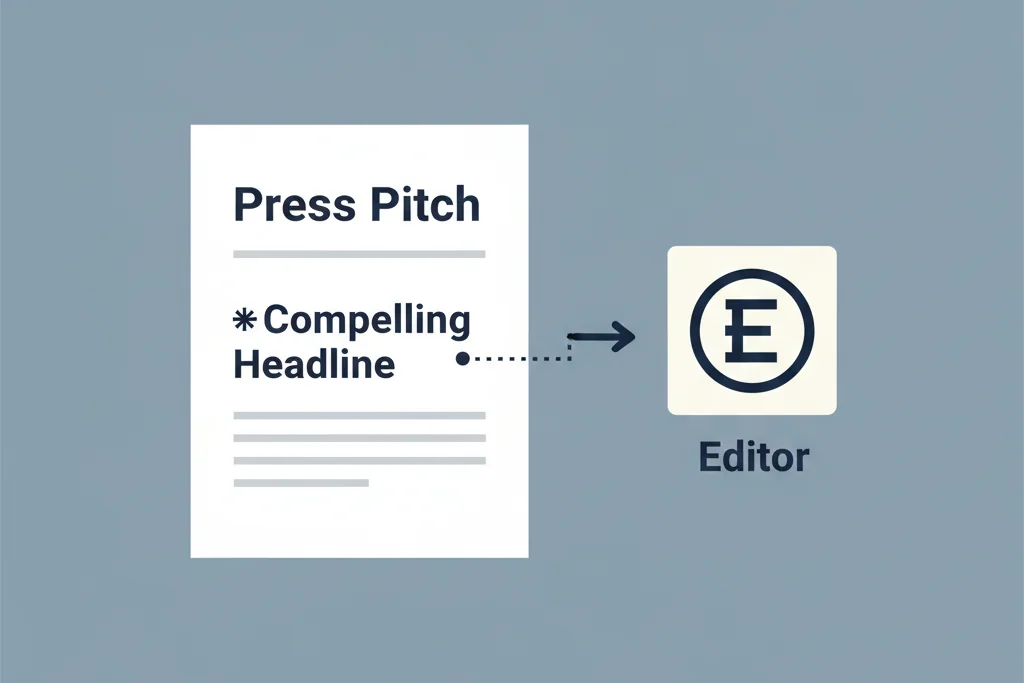
The 2026 pitch structure is short, human, and scannable.
The “3-Second Rule”
Your subject line is everything. It must tell the whole story.
- Bad: “Press Release: Company X launches new tool.”
- Good: “Data: 64% of CMOs are cutting ad spend (New Report).”
The “BLUF” Method
BLUF stands for Bottom Line Up Front.3 Put the value proposition in the first sentence. Don’t bury the lead.
The “Human Hook”
Reference a specific detail from their previous work. Prove you are not a bot.
“I saw your piece last week on the shift in retail supply chains. It got me thinking about…”
It takes two minutes. It makes all the difference.
Managing Assets for Easy Coverage
Make it easy for them to say yes.
The “Media Kit” Link:
Don’t attach huge files. Send a Dropbox or Drive link. Include:
- High-res founder headshots.4
- Raw data charts (they love making their own graphics, but give them the raw numbers).
- “B-roll” video clips if you have them.
The “Copy-Paste” Quote:
Write a pre-approved executive quote. But please, make it sound like a human said it.
- Corporate: “We are thrilled to leverage synergies to optimize outcomes.” (Gross.)
- Human: “Honestly, we built this because we were tired of losing money on bad ads.” (Better.)
Phase 3: The “Dual Economy” Pitch (Optimizing for AI)
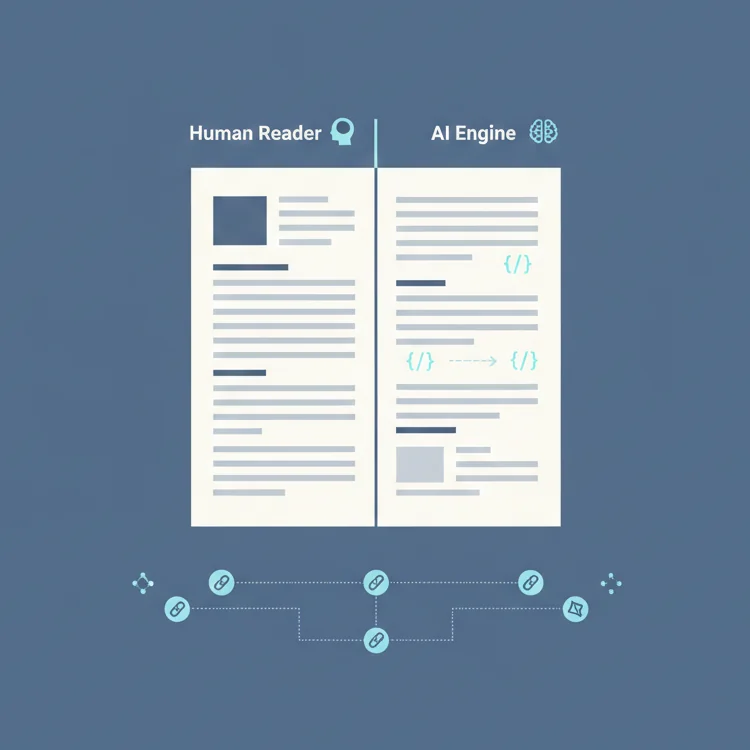
This is where it gets interesting. This is the Generative Engine Optimization (GEO) part.
The Goal: Being the “Source”
You want your brand to be cited as a source in AI answers.
Strategy: Pitch Niche Trade Pubs
You might think getting into Forbes is the holy grail. But for AI training data, niche trade publications and high-authority newsletters are gold.
Why? Because they are dense with facts and expert consensus.
A mention in a highly specific “Supply Chain Logistics Daily” blog might actually train an AI model better than a fluff piece in a general business magazine.
Structured Data
If you can, encourage publishers to use schema markup when they feature your data. It helps the bots understand exactly what the number means.
Phase 4: Outreach Channels & Follow-Up Etiquette
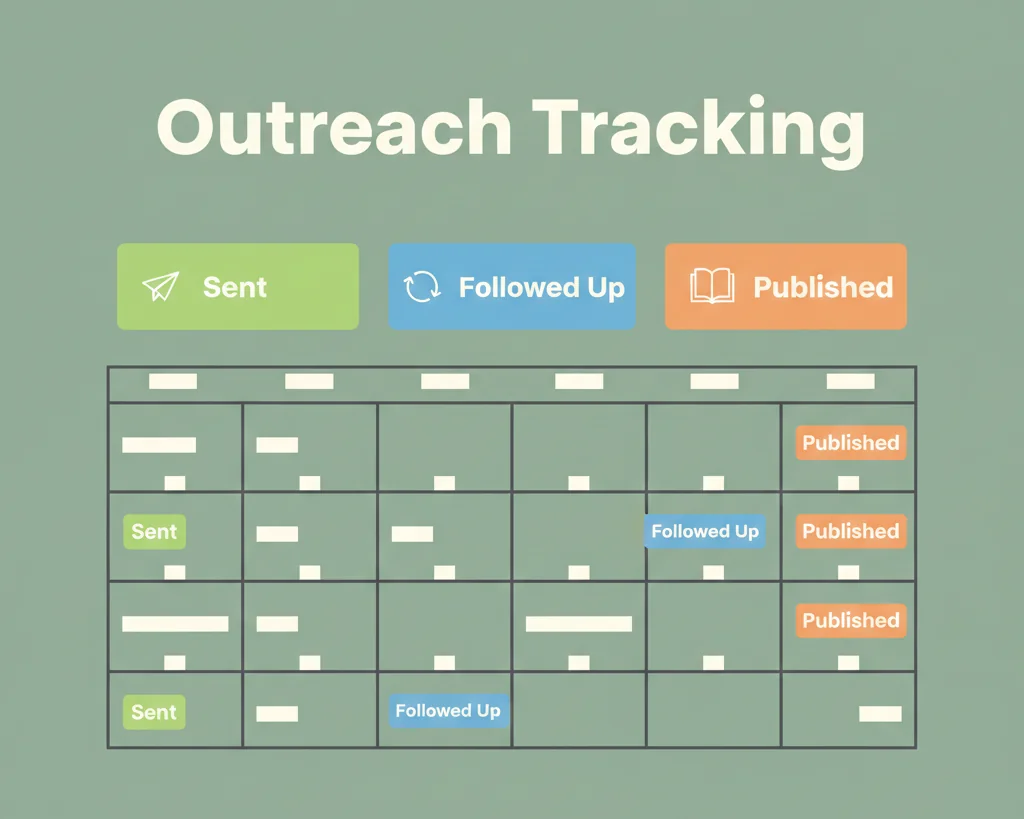
Email vs. Social
Email is king. But social is the queen.
If you have a relationship, a LinkedIn DM is fine.
If you have never spoken to them, a LinkedIn DM can feel invasive.
X (Twitter) Reply:
This is a soft touch. Reply to their tweet about an article. “Great point about X. We actually saw similar data recently.” Don’t pitch. Just add value.
The “Value-Add” Follow-Up
Never send “Just bumping this.” It is annoying.
Instead, send a value-add:
“Saw this new regulation came out today. It makes our data even more relevant. Here is an updated stat if you are covering the regulation angle.”
Respecting the “No”
If they say no, or if they don’t reply after two follow-ups, let it go. Preserving the relationship is worth more than forcing one story. You might need them next month.
Tools of the Trade (2026 Tech Stack)
You don’t need a $5,000/month tool to do this.
- Relationship Management (CRM): Muck Rack and Prowly are great if you have the budget. If not, a simple Airtable setup works wonders.
- Monitoring: Use Brand24 or Mention. You need to know when your outreach goes live so you can share it immediately.
- Verification: There are tools now that verify if a site is a “zombie site” (made just for links) or a real publication. Use them.
Measuring Success: Beyond “Vanity Metrics”
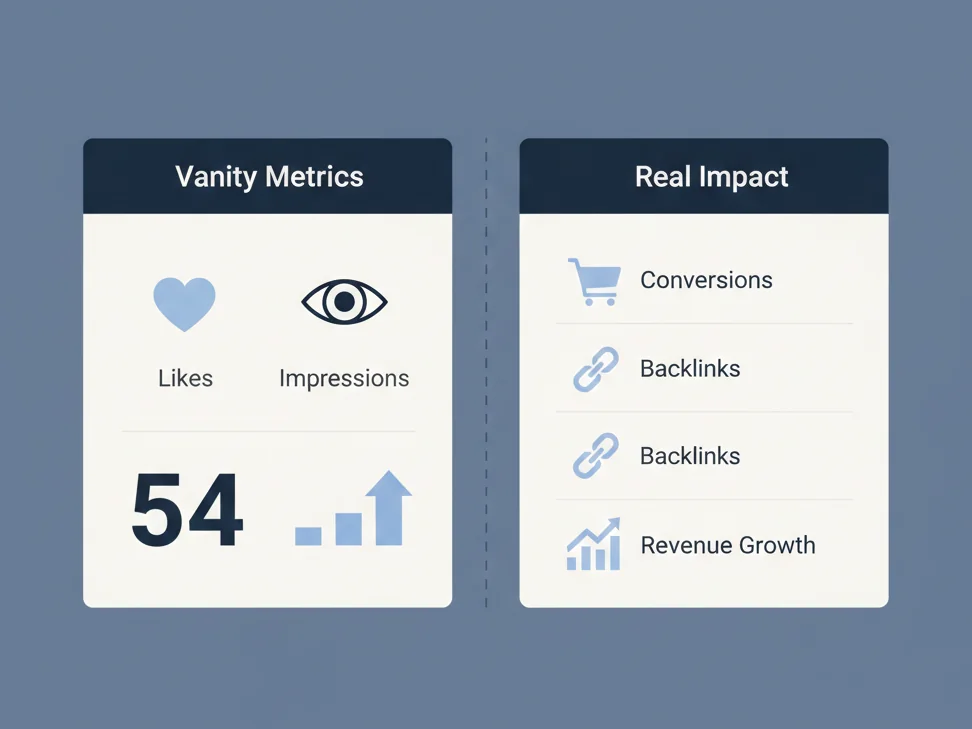
Forget Ad Value Equivalent (AVE). It is worthless. Nobody cares what the ad space “would have cost.”
The Real KPIs
1. Share of Voice (SOV):
Are you dominating the conversation against your competitors? If people talk about “CRM software,” do they mention you?
2. Domain Authority Impact:
Did the coverage improve your SEO profile? A link from a high DA site lifts your whole boat.
3. Referral Traffic Quality:
Do readers from this outlet actually convert?
I’d rather have 50 visitors from a niche blog who all sign up, than 5,000 visitors from a generic news site who bounce immediately.
Conclusion: Relationships are the Algorithm
Technology changes. We went from fax machines to email to AI agents.
But the need for trust remains.
Journalists are people. They are stressed, underpaid, and overworked.5 If you can make their life easier, by being a resource, not just a requester, you win.
Here is your next step:
Go through your current media list. Delete anyone you haven’t spoken to in a year. Then, use an AI tool to research the top 5 journalists you actually want to reach. Write one hyper-personalized pitch today. Just one. See what happens.