

If you’re still using the SEO playbook you bought in 2024, I have some seriously bad news. You’re playing a losing game.
This isn’t about minor tweaks to title tags anymore. We’re talking about a tectonic shift in how information is discovered, summarized, and consumed. The search landscape is no longer a collection of “ten blue links” waiting for a click. It’s a vast, interconnected answer engine powered by AI, and you have to prove you’re a human worth listening to.
I might be wrong, but my previous experience tells me that brands who adapt to these 2026 content creation trends will not just survive the AI revolution, they’ll dominate it.
The End of the Old SEO Playbook
The core transaction of SEO used to be simple: Google shows a link, the user clicks, you get traffic. That model is officially broken.
The Brutal Truth: Why Your 2024 Content Strategy is Dying
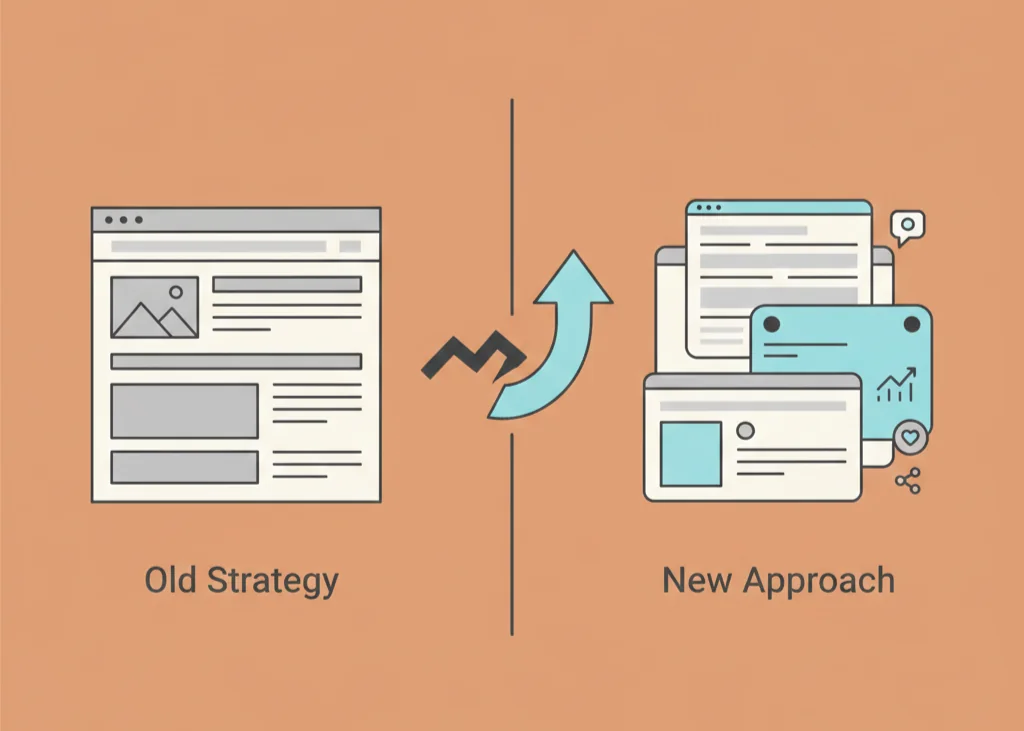
Here’s the thing: Zero-Click Search (AI Overviews) is the new reality.
Google and Bing (with Copilot) are now answer engines, not just indexers. They’re fielding queries with generative summaries, often called AI Overviews (AIOs). This means the user gets their answer on the SERP without visiting your site. Some reports suggest that for queries that trigger an AIO, the click-through rates (CTRs) for the #1 organic result have fallen by as much as 34.5%, according to Ahrefs research on the topic. That’s a massive slice of traffic vanishing into thin air.
Simultaneously, we’ve seen the rise of mass-produced, low-quality AI “slop” content. Every niche is now flooded with millions of articles that are technically correct but painfully generic. Google’s algorithms are actively fighting this, trying to rank value over sheer volume.
The shift is clear: Stop focusing only on clicks and start focusing on visibility and conversion. Your job isn’t to get a visit, it’s to be the trusted source that influences the user’s next action, whether that action is an AI citation or a direct purchase.
Trend 1: E-E-A-T (Experience) Becomes the Non-Negotiable Core
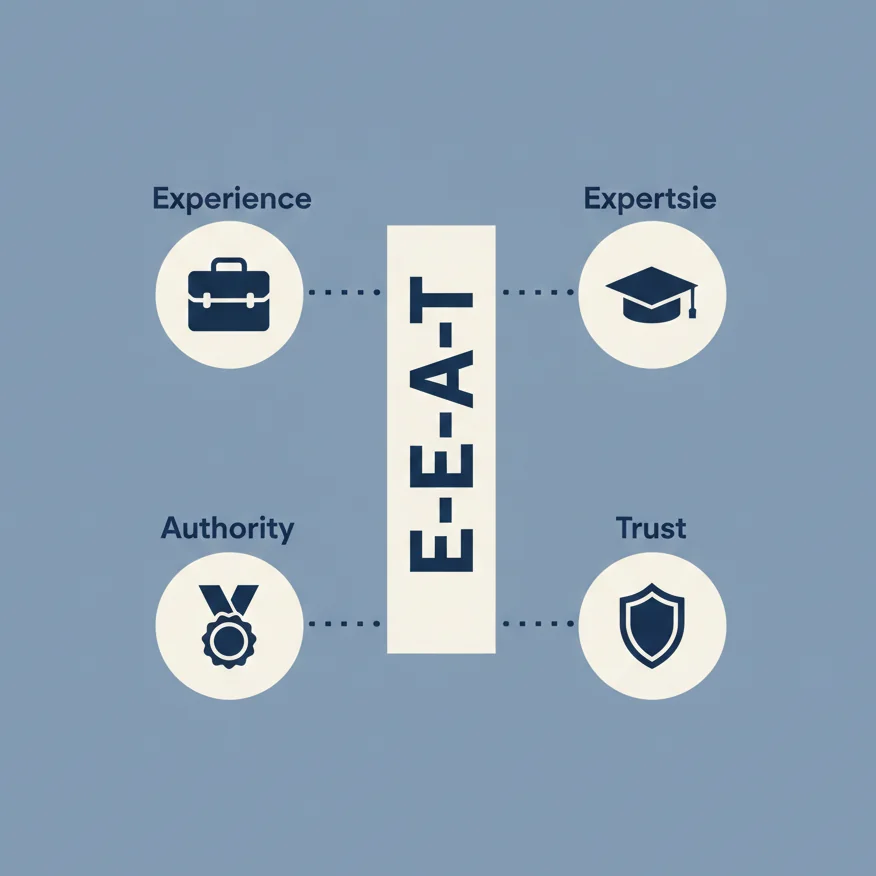
If you take one thing from this article, let it be this: you must elevate your E-E-A-T. No exceptions.
Why Experience is the New Authority
E-E-A-T (Experience, Expertise, Authoritativeness, and Trustworthiness) isn’t some abstract quality factor, it’s the fierce fight Google is waging against generic content, especially in YMYL (Your Money or Your Life) topics like health, finance, and legal advice.
The addition of the first “E” for Experience was a massive signal. Google is shifting to rewarding content that shows first-hand, real-world experience. Why? Because AI can’t have an experience. It can summarize all the available information, but it can’t tell you how a specific piece of software feels to use on a tight deadline or what it’s like to run a marathon in the rain. That lived detail is your moat against the LLMs.
How to Demonstrate True E-E-A-T in Your Content
Forget stock photos and general advice. You need proof.
- Original, In-House Assets: Use original photography, screenshots, and custom graphics (not stock). If you’re reviewing a tool, show a screenshot of your dashboard, not the company’s marketing image. My previous experience has shown that this simple step dramatically increases the perceived value.
- Case Studies and Unique, Proprietary Data: Publish your own data. Did you test a campaign on 10 clients? Did you track 1,000 keyword searches for a month? Own that data. Original research is the ultimate E-E-A-T signal.
- Author Bios That Showcase Real-World Credentials: Your author bio can’t just say “Marketing Expert.” It needs to say: “Author has managed $500k in Google Ads spend and grew organic traffic by 400% for an e-commerce brand in 18 months.” Show the outcomes you’ve delivered.
Ready to take your content to the next level of visibility? Let’s talk about how to get the AI to cite you directly.
Trend 2: Generative Engine Optimization (GEO) & AI Citation
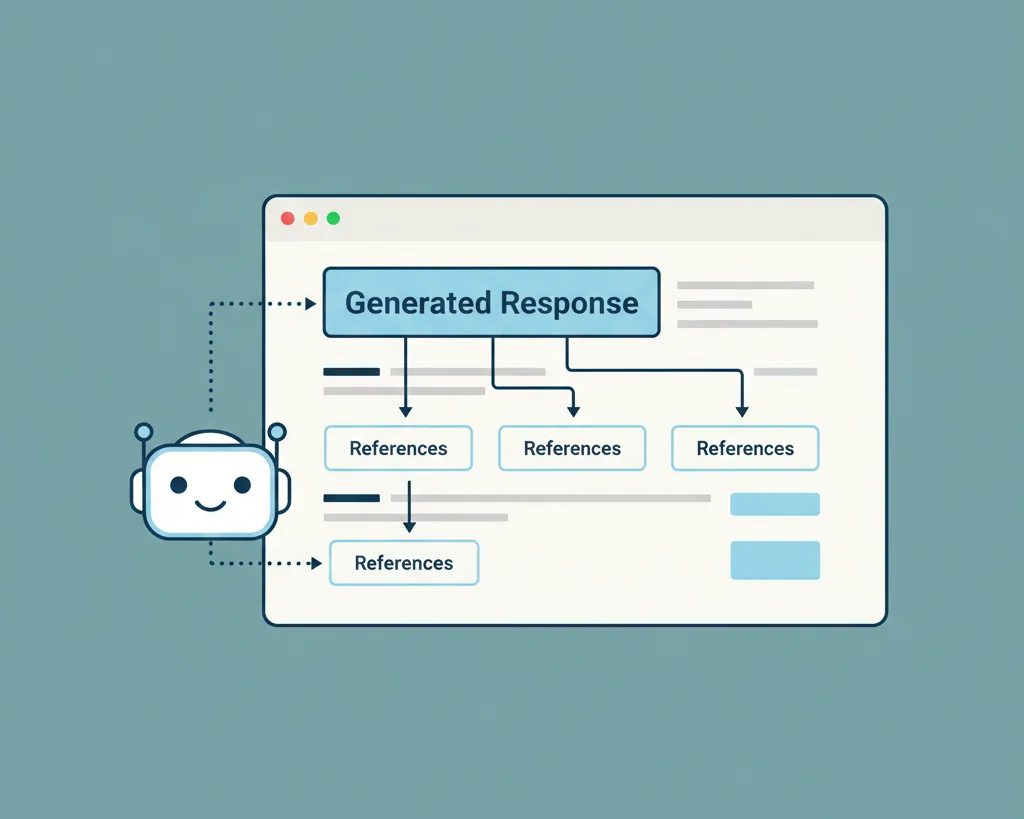
Traditional SEO got you a link. Generative Engine Optimization (GEO) gets you a mention in the AI’s final answer. This is where the game gets interesting.
Optimizing for the AI Overview (SGE/AIO) and Chatbots
Why is getting cited in an AI summary the new featured snippet? Because it grants you immediate, high-trust brand visibility at the top of the funnel, even if you don’t get the click. Search Engine Journal refers to this as the shift from a “click economy” to a “visibility economy.”
The key is writing for LLM ingestion. AI Overviews are built on Large Language Models (LLMs) like Google Gemini. These models prioritize content that is:
- Concise and Direct: Lead with the answer in the first sentence of your section.
- Structured: Use numbered lists, bullet points, and clearly defined headings (H2s and H3s) for every concept.
- Entity-Rich: Clearly define the people, places, and concepts you’re discussing, using precise language.
The RAG vs. Non-RAG Strategy Split
This is where content strategy becomes more nuanced. Most AI answers use a technique called Retrieval-Augmented Generation (RAG), which means the AI grounds its answer in specific, retrieved web documents. You want to be one of those documents.
Conversely, you also need to plan content for queries that force the AI to rely on external web results. These are your “AI-proof” content strategies. AI can summarize a “How-To Guide,” but it struggles to authentically summarize a deeply personal, highly emotional, or unique perspective piece (which brings us to Trend 4). Prioritize content that requires synthesis, unique opinion, or genuine experience that no AI can replicate.
Trend 3: Search Everywhere Optimization (SEO) & Multi-Format Content
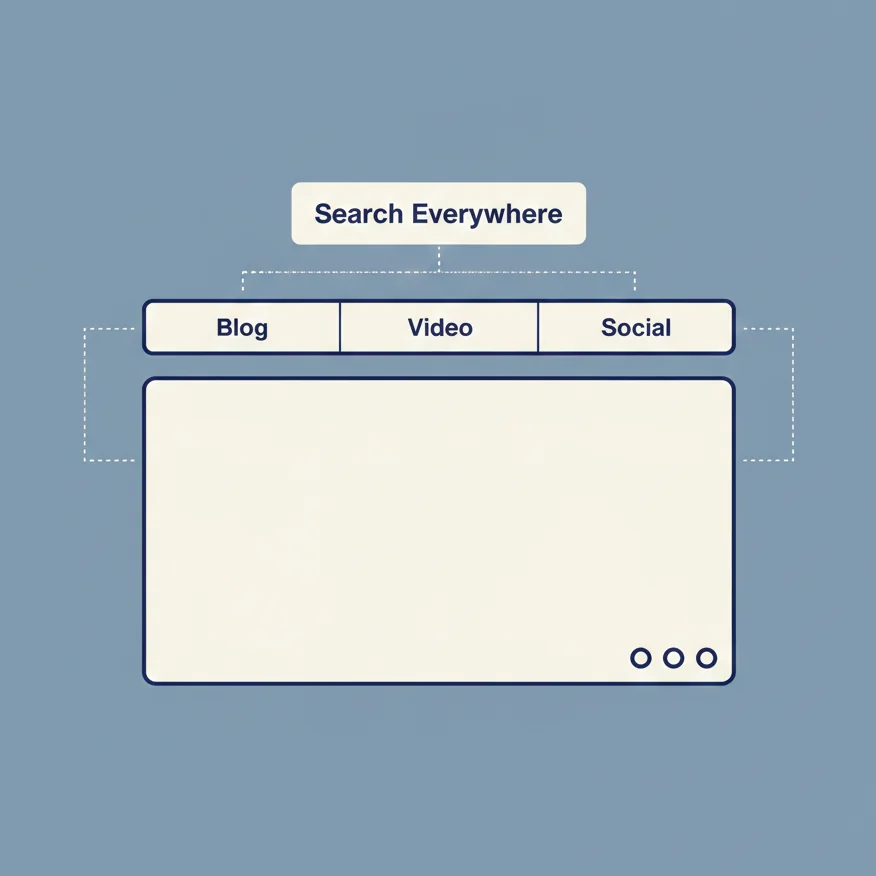
Honestly, this part trips people up all the time. They still think Google is the only game in town. It isn’t.
SEO is No Longer Just a Google Game
Users are not starting their search journeys solely on google dot com anymore. They’re using TikTok, YouTube, Reddit, and specialized forums as key discovery engines. If a Gen-Z user wants to know the best way to use a new skincare product, they are probably searching on TikTok or YouTube, not the traditional SERP.
You need a “Search Everywhere” mindset. This means your content must be optimized for every platform your audience uses to search for answers.
Content Formats That Win in 2026
- Video Dominance: Video is no longer a “nice to have.” YouTube shorts and long-form videos are ranking directly on the Google SERP more than ever. Treat your video scripts like SEO articles: include keyword density, use chapters for structure, and write rich, optimized descriptions.
- Community Content: Reddit and Quora have emerged as critical validation signals for both users and the algorithms. When Google wants “unvarnished opinions” or real-life reviews, it prioritizes community sites. Your strategy should include authentically engaging in relevant subreddits, providing value, and establishing your expertise.
- Visual Search: Optimizing images and 3D models for tools like Google Lens and visual queries is becoming crucial, especially in e-commerce. Use descriptive file names, alt text, and structured data to help visual search engines understand your products.
Trend 4: The “Authenticity” Mandate and Human-First Content

In a sea of perfectly generated AI prose, the thing that cuts through the noise is raw humanity.
The Power of the Unique Point-of-View (POV)
It’s time to move away from content regurgitation and toward original thought leadership. This means taking a stance. Don’t write a piece on “All 5 Link Building Strategies.” Write a piece called “Why 4 of the 5 Common Link Building Tactics are a Waste of Time (and the One I Use to Get 20+ Links a Month).”
Use high-emotion, experience-based titles that feature a personal voice (e.g., “I Tried X for 30 Days and Here’s What Broke,” or “My $100k Mistake in SEO”).
The Human-AI Collaboration Model
You can’t ignore AI, that’s just unrealistic. The savviest writers are using it to increase their velocity.
Use AI for the tedious stuff: drafting outlines, doing initial research, checking tone, and summarizing long documents. This is where I’d probably mess this up if I rushed and let the AI write the entire thing. The content writer’s new, non-negotiable role is: Editor, Fact-Checker, and Value-Adder. You infuse the experience, the unique POV, and the nuanced human context that the LLM simply can’t generate.
Trend 5: Deep Topical Authority (The Cluster Renaissance)
Google isn’t ranking pages, it’s ranking entities and brands. This demands a holistic approach to your content library.
Moving from Keywords to “Entities” and “Topical Gravity”
Stop fixating on a single, high-volume keyword for every article. Start creating content that comprehensively covers an entire subject. If you’re in the “Project Management Software” niche, you need a cluster of content that covers the Pillar Page (What is PM Software), the sub-topics (Kanban vs Scrum, Best PM Tools for Small Teams, Integrating PM with Slack), and everything in between.
The role of semantic SEO and internal linking is to signal deep authority. Use internal links to show Google how every article connects to a larger, authoritative topic cluster. This builds “Topical Gravity” around your brand, making you the undeniable source on a subject.
The Shift from High-Volume to Zero-Search-Volume (ZSV) Keywords
Ahrefs and SEMrush are fantastic, but the era of chasing massive monthly search volume is winding down because of AIOs. Why? Zero-click searches take the quick, easy answers.
Instead, start targeting ultra-niche, long-tail questions (often with zero reported search volume, or ZSV) that drive high-intent, late-stage conversions. These are the queries where a user is ready to buy or needs a highly specific answer the AI can’t easily synthesize. Think: “best Zapier automation for Slack-Trello two-way sync” instead of “best project management software.”
Trend 6: Conversational Content and Agentic Commerce
We’re not just optimizing for text-based search anymore, we’re optimizing for how people talk and how AI acts on their behalf.
Optimizing for Conversational Queries (Voice & Chat)
Users are talking to their devices and chatbots like they talk to a person: “Hey Gemini, what’s the cheapest noise-canceling headphone for a remote worker?”
This means you need to write content in the natural, question-and-answer format users speak in. The essential role of FAQs, tables, and comparison charts is to provide the quick, structured data points the AI assistant or voice search needs to give a concise answer. Make your structure scannable and your language direct.
Preparing Content for Automated Transactions (Agentic Commerce)
This is the big future play. Agentic Commerce is where an AI agent acts as a shopping assistant, autonomously making purchases for the user. Think of an AI ordering printer ink when you run low, or rebooking a flight based on your calendar.
Your job as a content creator is to structure data and content (using appropriate schema markup) to facilitate these future automated transactions. Product pages, specifications, reviews, and pricing must be hyper-clear, structured, and easily readable by an AI assistant that needs to confirm a purchase decision.
Trend 7: User Experience (UX) as a Content Ranking Factor
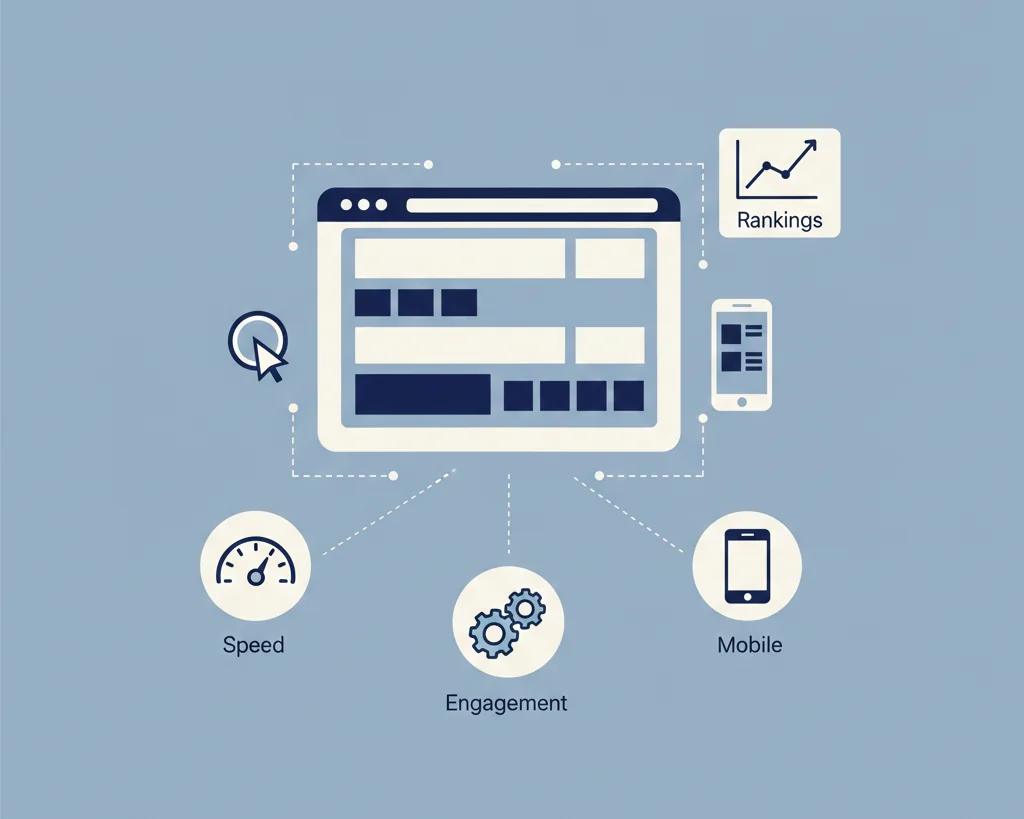
Page experience is an old trend, but the type of experience that matters has changed.
Beyond Core Web Vitals (CWV): Optimizing for Information Gain Rate
Yes, fast loading times (Core Web Vitals) still matter. But the new metric is the Information Gain Rate. How quickly does the user feel they got value? You need to optimize for cognitive ease and clarity. Stop hiding the ball.
Lead with a value-led summary/conclusion in the introduction. Give the reader the TL, DR right up front. If they still need more detail (which they will if your content is truly deep), they will keep scrolling. But you’ve already delivered satisfaction, which is a massive positive signal to the search engine.
The Role of Interactive Content
To boost time-on-page and engagement signals, you need to provide tools, not just text. Interactive content, calculators, quizzes, simple polls, or embeddable configurators, helps in two ways: it increases the time a user spends on the page, and it provides a unique experience an AI cannot easily replicate or summarize. This makes your page sticky and signals high user value.
Trend 8: Shifting Content Metrics from Traffic to Value
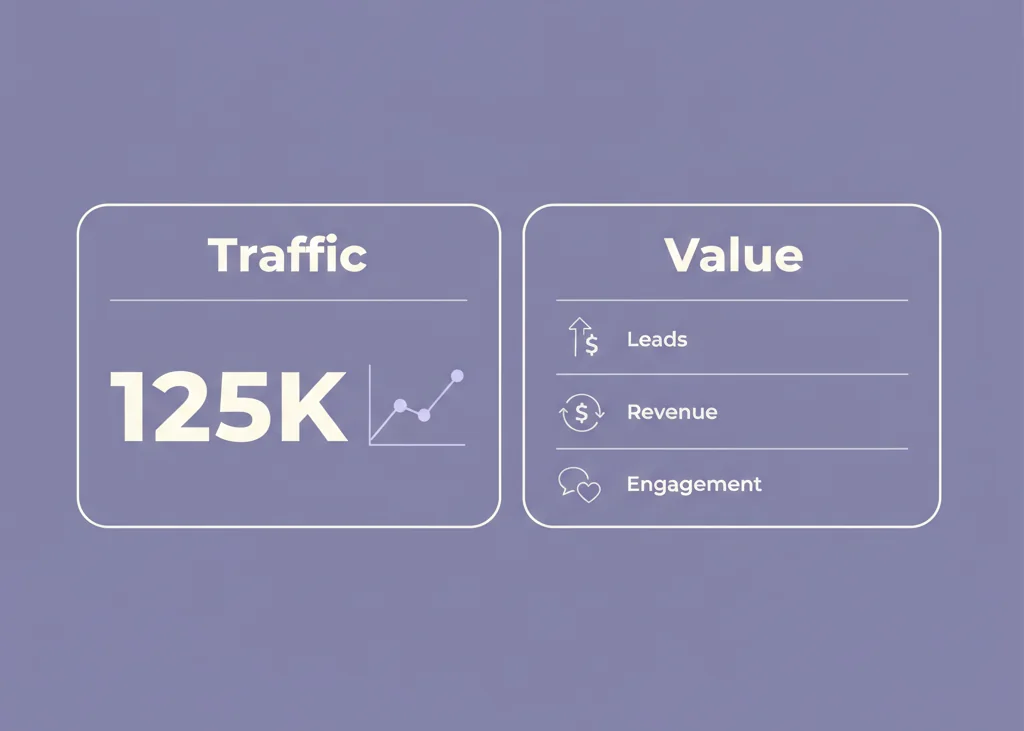
If your boss is still only looking at organic sessions, they’re living in 2016.
The Death of the Traffic-Only Goal
Honestly, doing X is usually a waste of time for most people. Focusing solely on a huge traffic number in a zero-click world is a fool’s errand. Low-intent traffic is vanity. Your page might rank #1, but if the AI Overview answers the query, that position translates to minimal traffic.
The new primary KPIs must be:
- Content-Assisted Conversions: Did the user read this article before making a purchase or signing up for a demo?
- Brand Mentions and AI Citations: Are we being cited as the source in AI Overviews or being mentioned by industry experts?
- Topical Authority Score: Are we comprehensively covering our niche and earning the right links and brand mentions that signal authority?
Measuring the Success of TOFU Content in a LLM World
Top-of-Funnel (TOFU) content is about visibility, not direct clicks. Its success isn’t the session count, it’s the impression share and brand reach. Use tools like Ahrefs and Google Search Console to monitor impressions and SERP feature coverage (like PAA boxes and video carousels), not just clicks. That’s how you prove your brand is winning the mindshare battle.
Trend 9 & 10 (Actionable Summary): Your 2026 Content Checklist
Here’s where we wrap up the action plan with two immediate, high-leverage trends you can implement today.
Trend 9: The Local SEO Content Explosion
Local SEO is no longer just optimizing your Google Business Profile (GBP).
You need to be creating hyper-local content that goes beyond the basics. Think location-specific guides, deep-dives into local news relevant to your business, or case studies featuring local landmarks. More importantly, optimize for location-specific voice searches. Questions like, “What’s the nearest plumber who offers 24-hour service?” demand clear, fast, and geo-tagged content.
Trend 10: The Video SEO & Script Optimization Trend
Video is content. Period.
Treating video scripts like SEO articles is the key. Your video’s transcript should be included or summarized clearly. Use the YouTube description to include relevant keywords and entities. Use time-stamped chapters that correspond to H2s in a written article format. This helps both Google and YouTube understand your content deeply, making it rank for both video and traditional web queries.
The Future of SEO Content is Authentically Human and Platform-Fluent
The content game has changed from a race for volume to a fight for trust and unique value. In 2026, the search engine isn’t just a machine to be gamed, it’s a gatekeeper demanding a higher standard of humanity, expertise, and measurable experience.
Final Action Plan: What to Stop and Start Today
- STOP:
- Mass-producing generic AI content. It’s disposable “slop” that will actively damage your brand authority.
- Focusing solely on Google rankings and ignoring all other search surfaces.
- Ignoring other platforms where your audience is already searching (Reddit, YouTube, TikTok).
- START:
- Deeply investing in your brand’s unique expertise by showcasing first-hand experience (E-E-A-T).
- Optimizing for AI summaries (GEO) by structuring your content for clarity, conciseness, and citation inclusion.
- Diversifying your content to video and community channels (Search Everywhere Optimization).
The most valuable asset you have isn’t a link, it’s your experience. Go share it.