

Niche content ecosystems offer unique value in a digital landscape saturated with mainstream platforms. SoFurry stands as a prominent example within the furry fandom, a space where artists, writers, and enthusiasts converge.
But beyond its creative community lies a lesser-discussed component: its built-in search engine.
Unlike generalized engines like Google, SoFurry’s internal search is tailored to navigate user-generated creative content.
For professionals who rely on content discoverability (be it for digital strategy, archival research, or audience engagement), understanding how such engines function can offer insights into user behavior in niche spaces.
This blog will dissect the SoFurry search engine’s architecture, its contextual strengths, usability features, and limitations.
It offers a structured breakdown to help digital analysts and content-focused business owners evaluate the platform’s potential from both a technical and strategic lens.
Table of Contents
What Is SoFurry? Platform Overview
SoFurry is a niche online community and publishing platform focused on anthropomorphic (furry) art, stories, and multimedia. It functions as both an archive and a social space for creators and audiences within this fandom subculture.
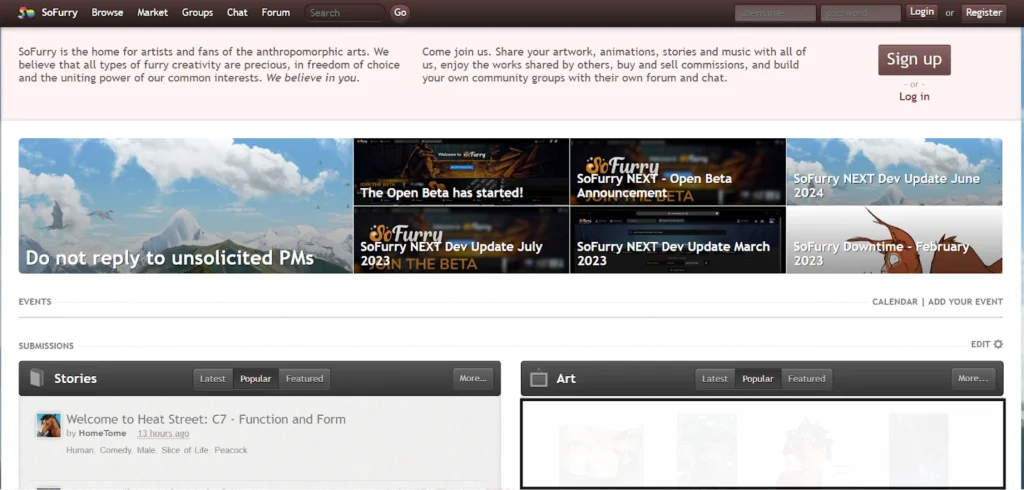
The platform lets users upload original content, including illustrated artwork, short stories, novels, audio, and comics. Its structure supports categorization by type, tags, and maturity level, allowing segmented content delivery.
SoFurry also integrates forums, personal journals, and messaging tools alongside its publishing framework.
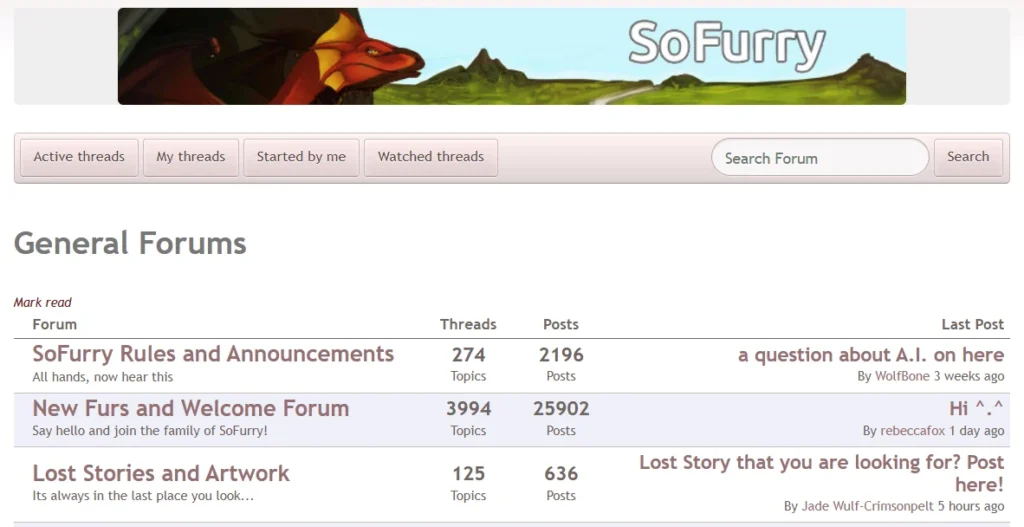
This multi-functional design transforms it from a mere content host into a participatory ecosystem. With an account-based model, creators can build followings, receive feedback, and manage content portfolios.
At the same time, consumers can search, bookmark, and engage with submissions across a diverse taxonomy.
For business owners analyzing niche user behavior or content distribution methods, SoFurry presents a distinct model worth studying, particularly in how it supports creator autonomy while sustaining active community interactions.
Purpose and Role of the SoFurry Search Engine
The SoFurry search engine is central to content accessibility on the platform. With a database containing thousands of multimedia entries across categories, navigation without search functionality would prove inefficient.
Its core role is to assist users in finding specific works, genres, creators, or themes through structured queries. Unlike broad internet search engines, SoFurry’s tool is internally scoped, indexing only platform content.
This focused environment increases relevance, especially when creators accurately implement tags and metadata.

Filtering options such as content type, rating, and date further refine user journeys. The engine’s function isn’t just utility; it also shapes user retention by improving discoverability and enabling deep-dive exploration of long-form works or serialized content.
From a business intelligence perspective, it represents how niche engines can deliver user-aligned results without massive infrastructure.
Studying this model for companies working in content-heavy verticals can offer actionable lessons in custom search environments, user segmentation, and value delivery within online communities.
Core Features of the SoFurry Search Engine
SoFurry’s search engine offers several tailored functionalities that enhance user navigation and interaction. These features focus on specificity, community relevance, and content accessibility, key aspects for any business analyzing user intent within niche platforms.
Tag-Based Filtering
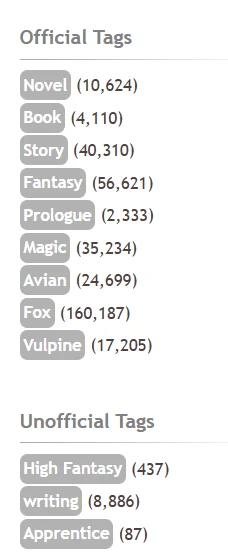
Tags are the backbone of the search interface. Users can find content using creator-assigned metadata, which improves semantic relevance. Tags span genres, species, themes, and even mood, offering layered discoverability within tightly defined contexts.
Content Type Segmentation
The engine lets users filter by content format: story, artwork, audio, or journal. This separation streamlines the browsing experience for users with format-specific interests while supporting creators in targeting precise audience types.

Maturity Rating Filters
A vital component of SoFurry’s search logic is the ability to filter by content rating: General, Mature, or Adult. It ensures user control and regulatory compliance, especially for audiences with content sensitivity or browsing restrictions.
Date-Based Sorting
Users can sort search results by upload date or last update. This chronological structuring allows easy discovery of the newest additions, which is crucial for returning users tracking serialized or ongoing content.
Creator and Title-Based Search
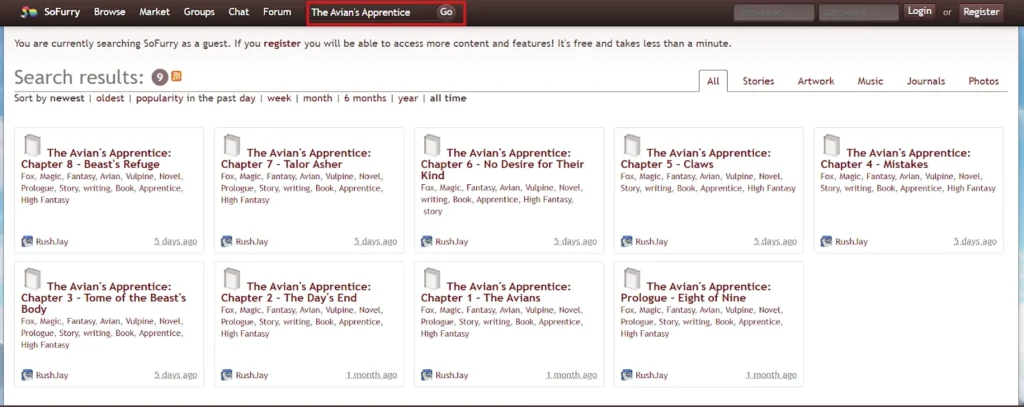
Direct input of usernames or content titles enables exact-match querying. This function supports brand continuity and reader loyalty through ease of access for established creators or recurring characters.
Serial and Folder Navigation
For serialized stories or grouped art projects, the search engine facilitates continuity by linking entries within the same folder or series. It adds a narrative-aware layer to the search model, reducing friction for returning users.
Strengths and Advantages
The SoFurry search engine’s design includes several notable strengths relevant to community platforms or niche content networks. The table below outlines its core advantages from both a user experience and content management perspective.
| Feature | Business Relevance |
| Tag-based navigation | Encourages taxonomy-driven discovery and supports structured content archiving. |
| Advanced filter granularity | Enables precise segmentation, increasing content visibility and user satisfaction. |
| Creator hub integration | Fosters direct audience-to-creator engagement, which is valuable for loyalty and monetization. |
| Serialized content navigation | Enhances storytelling continuity; useful for platforms with long-form content. |
| Search within search | Supports layered exploration, improving session duration and engagement. |
| Context-aware full-text search | Expands discoverability for long-form content without requiring external indexing. |
Limitations and Areas for Improvement
While the SoFurry search engine provides valuable functionality for a niche user base, several limitations hinder its scalability and broader adoption. Identifying these areas offers insight into where targeted development could significantly enhance performance.
- Lack of Semantic Search: The system relies heavily on exact keyword matching and lacks semantic search capabilities. This reduces flexibility, especially when users input varied phrasing or synonyms.
- Limited Visual Filtering for Art: While text-based filters are robust, visual content such as artwork lacks rich metadata support. This limits discoverability based on style, medium, or composition.
- Underdeveloped Mobile Search UX: The mobile interface for search remains clunky. Dropdowns and filtering layers are not optimized for smaller screens, reducing usability on smartphones.
- Slow Indexing of New Content: New uploads may take time to appear in search results due to a delay in indexing, impacting visibility for recent posts or newly joined creators.
- Minimal Third-Party Integration: Unlike other platforms, SoFurry does not integrate well with broader tools or content aggregators, restricting external visibility and automation possibilities.
Comparisons to Other Niche Search Engines
When compared to other niche content platforms, SoFurry’s search engine holds its ground in several areas but falls behind in others.
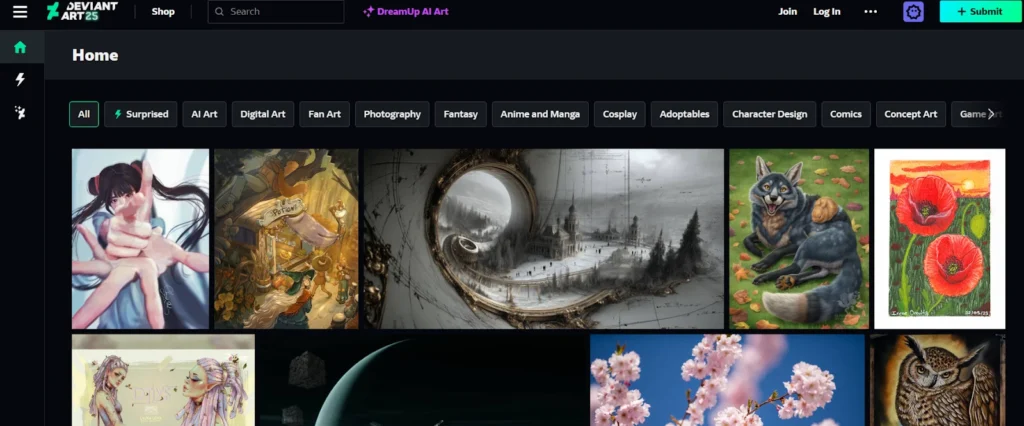
DeviantArt offers a more polished interface and greater tagging granularity, especially for visual content. Its machine learning-backed search is superior in interpreting vague queries.
FurAffinity, while community-driven like SoFurry, features a more dated search structure with fewer dynamic filters.
e621, on the other hand, excels in tag-based precision and moderation control, making it particularly strong in content categorization.
However, its interface can overwhelm casual users.
In contrast, SoFurry provides balanced utility across written and visual content with a stronger focus on narrative structure.
Yet, it lacks the refinement and extensibility seen in its peers. For platform-specific communities, this balance is functional, but modernization would be necessary for broader appeal.
Who Can Benefit the Most from Using It?
SoFurry’s search engine is purpose-built for a niche but active creative ecosystem. Several user groups can derive significant value from its features.
- Furry Content Creators: Writers, artists, and musicians within the furry community can leverage the platform to showcase their work and reach an engaged audience through niche-specific search filters.
- Fandom-Based Consumers: Users looking for thematic or species-specific content (whether visual, literary, or auditory) can find curated works more efficiently compared to broader platforms.
- Independent Publishers and Hobbyists: Those who regularly produce serialized content or anthologies benefit from the search engine’s structured metadata and chronological browsing capabilities.
- Researchers and Cultural Analysts: Academics or marketers exploring subcultures and digital community behavior may use SoFurry’s search tools for ethnographic or trend analysis.
How Subcultures Change the World (And Go Mainstream)
Final Verdict: Is SoFurry Search Engine Worth Using?
SoFurry’s search engine delivers utility for a specialized audience, particularly within creative subcultures. While not a mainstream competitor, it fills a gap left by more generalized platforms.
Its ability to navigate a wide range of media (stories, art, audio) gives it multidimensional relevance.
However, limitations such as a dated mobile UX and lack of semantic intelligence mean it may not satisfy users accustomed to modern AI-assisted engines. Still, for those embedded in the furry creative ecosystem, it remains a focused and functional tool.
If the primary objective is community-centered discovery and creator support within a niche setting, SoFurry is absolutely worth considering. Just don’t expect enterprise-grade performance or extensive third-party integrations.
Conclusion
SoFurry’s search engine is a specialized tool crafted for a unique digital subculture. It combines foundational search features with community-focused categorization, offering practical utility for creators and fans alike.
While not perfect, it stands out in its niche by emphasizing diversity of media and personalized discovery. For the right audience, its value proposition is both clear and compelling.