

In the competitive digital landscape, link popularity remains a foundational metric for assessing a website’s authority and trustworthiness in the eyes of search engines.
While content relevance and technical optimization are essential, the strength of a site’s link ecosystem often determines its visibility in organic search results.
Link popularity refers to the quantity and quality of links pointing to a particular webpage, reflecting its perceived value across the web.
Search engines like Google use this signal to rank pages and gauge user trust, topical authority, and relevance. Understanding the structure and impact of link popularity can help refine a long-term SEO strategy and improve brand credibility.
This article will unpack the concept in full and explore its practical applications.
Table of Contents
What Is Link Popularity?
Link popularity refers to the cumulative strength and quality of hyperlinks pointing to a given webpage, serving as a trust signal for search engine algorithms.
The metric takes into account not just the volume of links but also their origin, contextual relevance, domain authority, and placement within the referring content.
In simple terms, link popularity gauges how many other websites “vouch for” a page through backlinks. However, modern search engines do not treat all links equally.
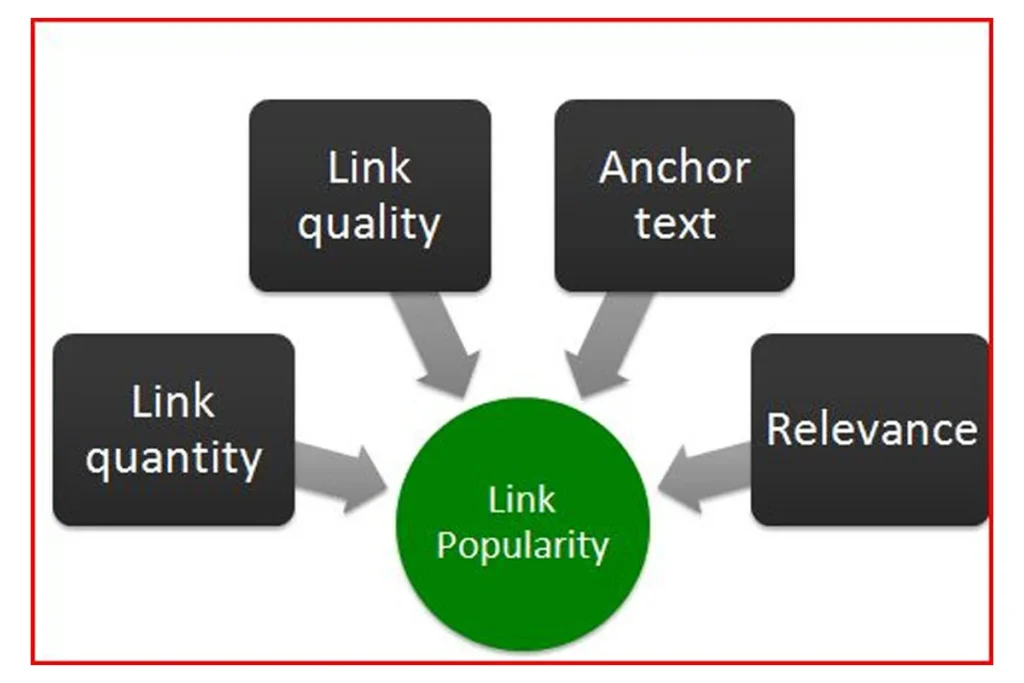
A single backlink from a reputable domain with high topical relevance can outweigh dozens of low-quality links from unrelated or spammy sources.
Beyond backlinks, internal linking within a site and even outbound linking to authoritative domains contribute to link equity distribution. Internal links help define site structure and signal content hierarchy, while outbound links can strengthen contextual associations.
Search engines like Google leverage link-based signals in algorithms like PageRank and more recent machine learning models to evaluate content trustworthiness and determine rank position.
Therefore, link popularity is not a vanity metric; it is an actionable indicator of content reputation and networked authority that directly influences SEO outcomes when built ethically and strategically.
Types of Links That Contribute to Link Popularity
Link popularity is not driven by a single type of link, but rather by the strategic interplay of multiple categories of hyperlinks within and beyond your site. Understanding how each type functions is essential for maintaining a well-rounded SEO framework.
Inbound links (backlinks)
Inbound links, or backlinks, are links from external websites pointing to your own content. These are the most influential in determining link popularity. High-quality backlinks from authoritative sources signal to search engines that your content is credible and worth referencing.
The referring domain’s relevance, trustworthiness, and topical alignment are all factors that influence the value of a backlink.
For instance, a backlink from a government or academic site carries significantly more weight than one from a low-authority blog. Anchor text also plays a role; when optimised appropriately, it reinforces topical intent and relevance.
Internal links
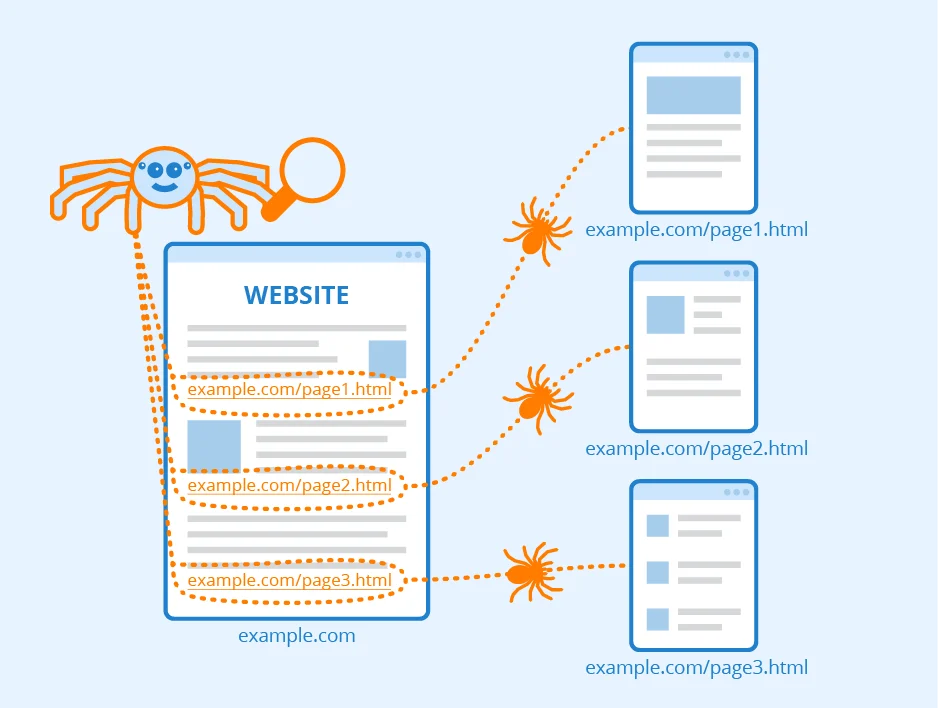
Internal links connect various pages within the same domain. While they don’t boost link popularity in the same way external backlinks do, they help distribute link equity across a site and guide both users and search engines through the content hierarchy.
Effective internal linking can improve crawlability and ensure that important pages receive adequate visibility. Strategically placing internal links also supports semantic SEO by reinforcing topical clusters.
Outbound links
Outbound links are links from your website to third-party domains. Though they do not directly increase your own link popularity, referencing high-authority sources can strengthen the contextual signals of your content.
When outbound links are relevant, current, and non-spammy, they can positively influence user trust and signal to search engines that your site is well-cited and integrated into the broader information ecosystem.
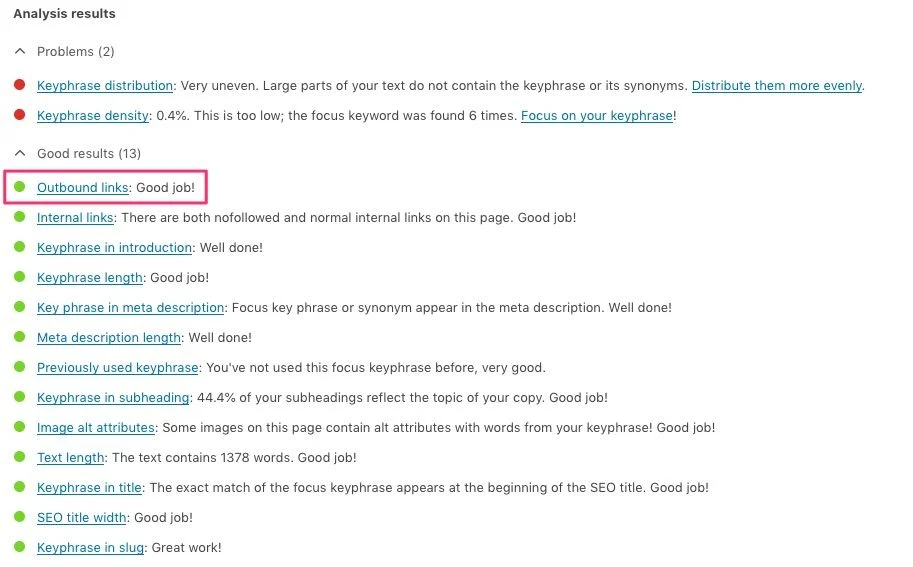
Checking Outbound Link Distribution Using Yoast SEO
Why Link Popularity Matters for SEO
Link popularity directly influences multiple dimensions of search performance. It can support higher rankings, improve crawl efficiency, and establish topical authority when leveraged strategically. The following points detail why it plays a vital role in modern SEO.
- Improved Search Engine Rankings: High link popularity signals authority and relevance, pushing pages higher in organic search results. Quality backlinks from trusted domains act as endorsements in the algorithm’s eyes.
- Faster Indexing and Crawling: Pages with high link popularity are crawled more frequently. When authoritative sources link to a URL, search engines prioritize that page for indexing and updates.
- Referral Traffic from Trusted Sources: Beyond SEO, backlinks from reputable sites can drive qualified referral traffic. These visitors often come with higher intent and longer engagement durations.
- Better Content Discoverability: Link popularity helps content stand out amid the noise. If search engines view a page as well-referenced, it will likely be presented for competitive queries.
- Enhanced Domain Authority: A consistent influx of quality backlinks gradually elevates domain-wide trust. This broad authority benefits not just individual pages but the entire site ecosystem.
- Reinforced Topical Relevance: Links from thematically aligned sites signal to search engines that your content is part of a focused, credible conversation in that niche.
🎯 This SEO Strategy is A Game-Changer (Topical Authority)
- Long-Term SEO Equity: Unlike trends or tactics, link equity compounds over time. Strategic link building creates durable SEO value that sustains rankings even amid algorithm shifts.
How Search Engines Evaluate Link Popularity
Search engines use sophisticated models to assess the quality and impact of link popularity. While quantity still plays a role, algorithms now prioritize contextual relevance, trust, and authority of linking sources over sheer volume.
Google’s PageRank laid the foundation by scoring links based on their source authority and the number of outgoing links from that source. Today’s models incorporate additional layers, such as natural language processing, topic matching, and spam detection systems like Penguin.
Anchor text relevance is another critical factor. When links use contextually relevant anchor text, they help clarify the subject matter and reinforce keyword associations. However, over-optimization or manipulative patterns can trigger penalties.
Diversity of backlinks is also a ranking signal. A healthy link profile includes a mix of domains, content types, and acquisition methods. Homogeneity may suggest paid links or unnatural schemes.
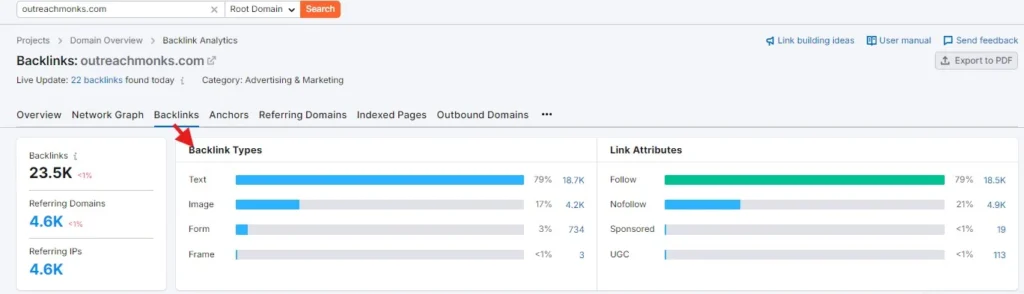
Source: Outreach Monks
Temporal relevance, or how recently a link was created, also informs freshness signals. Newer links from authoritative domains indicate current relevance and active engagement.
Finally, trust metrics (such as TrustRank or site-level quality signals) affect how much weight a link carries. A backlink from a well-established domain carries significantly more authority than one from a low-quality, rarely updated site.
Common Misconceptions About Link Popularity
Many business owners and marketers misinterpret what link popularity truly entails. Clearing up these misconceptions is essential for building a sustainable SEO strategy.
- More Links Always Equal Better Rankings: Quantity without quality can be harmful. A few authoritative links are far more valuable than hundreds of low-grade ones.
All Links Pass Seo Value: NoFollow, UGC, and sponsored attributes reduce or nullify link equity. Not every link boosts rankings. - Link Popularity Is the Same as Domain Authority: Domain authority is a third-party metric, not a Google ranking factor. Link popularity directly influences actual algorithmic trust.
- Paid Links Are a Legitimate Shortcut: Search engines penalize sites for unnatural link acquisition. Purchasing backlinks can cause long-term damage.
- Link Building Is Only for SEO Agencies: In-house marketing teams, founders, and content strategists can all play roles in ethical, value-driven link acquisition.
How to Increase Link Popularity
Improving link popularity requires strategic, sustained efforts rooted in value creation and outreach. Below are key methods to boost link equity without resorting to black-hat tactics.
- Create High-Value, Evergreen Content: Authoritative guides, industry research, and in-depth explainers attract natural backlinks over time due to their utility and shareability.
- Engage in Strategic Guest Posting: Writing for reputable industry blogs expands reach and earns contextual backlinks from relevant domains.
- Conduct Original Research or Surveys: Unique data and insights are highly linkable assets. Journalists and niche bloggers often reference proprietary statistics.
- Leverage Digital PR Campaigns: Press coverage, expert roundups, or timely commentary on industry trends can generate quality mentions and links.
- Use Broken Link Building Tactics: Identify outdated or dead links on authoritative sites and offer a relevant, live resource as a replacement.
- Build Link-Worthy Resources: Tools, calculators, templates, and visual explainers frequently earn links due to their utility and uniqueness.
- Collaborate with Influencers or Experts: Co-created content or interviews with thought leaders can lead to backlinks from their platforms and networks.
- Promote through Social and Email Outreach: Amplifying content to the right audience increases the odds of earning natural links, especially when shared by micro-communities.
- Optimize Internal Linking Structure: While not external, strong internal links help distribute page authority and increase the visibility of core landing pages.
Tools to Measure Link Popularity
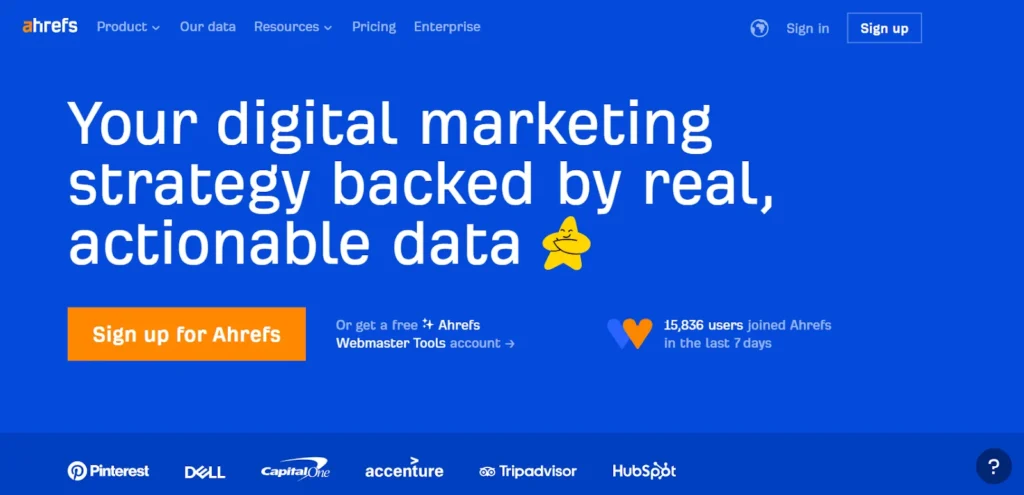
Several specialized tools can assess and monitor link popularity metrics. Ahrefs and Semrush are widely used for evaluating backlink profiles, domain authority, and link velocity.
Moz provides Link Explorer, which includes proprietary metrics like Page Authority and Spam Score.
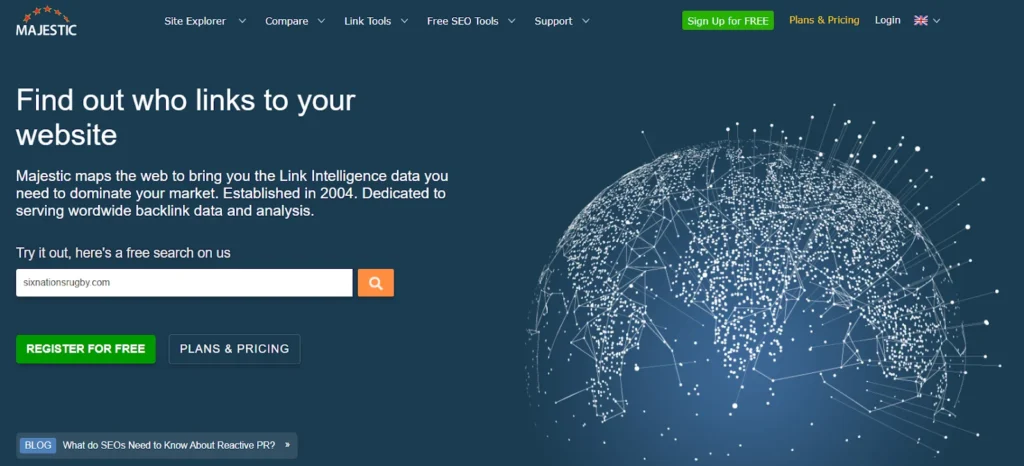
Majestic offers Trust Flow and Citation Flow to quantify both the quality and volume of backlinks. Google Search Console also surfaces some link data, especially for identifying top-linked pages.
These platforms can help business owners monitor link-building performance, uncover toxic links, and benchmark competitors’ link strategies. While each tool uses its own algorithm, cross-referencing ensures more reliable insights into real-world link equity.
Best Practices for Sustainable Link Popularity
Building link popularity requires long-term planning, not short-term tricks. The following practices support ethical, lasting gains:
- Prioritize relevance over volume. Target only sites that align with your industry or audience.
- Maintain natural anchor text diversity. Over-optimized anchors can appear manipulative and trigger penalties.
- Avoid link schemes and low-tier directories. These tactics are outdated and carry more risk than benefit.
- Continuously monitor backlink quality. Use tools to audit links and disavow spammy domains when needed.
- Invest in real relationships. Earn links through partnerships, interviews, and valuable collaboration, not automation.
Conclusion
Link popularity remains a cornerstone of effective SEO, directly influencing visibility, authority, and organic traffic. While the concept is often misunderstood or oversimplified, a well-executed strategy focusing on quality, relevance, and ethical outreach delivers measurable benefits.
As search engine algorithms become more refined, building genuine connections and producing valuable content are foundational now.
Investing in sustainable link popularity can be a strategic asset for business owners aiming to compete in search-driven markets.