
The “set it and forget it” SEO model isn’t just dying, it’s basically a fossil at this point. If you’re still hiring a white label partner based on how many “DA 50” links they can build in a month, you’re essentially bringing a knife to a drone fight.
By 2026, the search landscape has shifted toward AI Overviews (AIO) and Search Generative Experience (SGE). According to recent data, over 60% of marketers report that their search visibility now depends on being “quotable” by AI systems rather than just sitting at blue link #1.
The dilemma for most agency owners is simple. Hiring in-house is a massive bottleneck for growth. It’s expensive, slow, and risky. But white labeling? That’s your scale-on-demand lever. The trick is finding a partner who isn’t just an “order taker” but a strategic extension of your team.
In this guide, I’m breaking down the 12 non-negotiable qualities of a top-tier white label SEO partner for 2026.
1. Readiness for the AI-Search Era (SGE & AEO)
Your partner needs to be obsessed with how Google’s AI summarizes information. If they’re still talking about “keyword density” and ignoring Answer Engine Optimization (AEO), they’re living in 2018.
Top agencies in 2026 focus on “Zero-Click” search wins. They structure content into “answer blocks” that are easy for Google’s Gemini or Perplexity to extract. I’ve seen so many agencies get burned because their partner couldn’t adapt to the fact that Google now answers roughly 10.7% more homepage queries directly in the SERP.
Pro Tip: Ask them for a case study where they specifically optimized a client for an AI Overview. If they look at you like you have two heads, run.
2. Deep Entity-Based SEO & Semantic Expertise
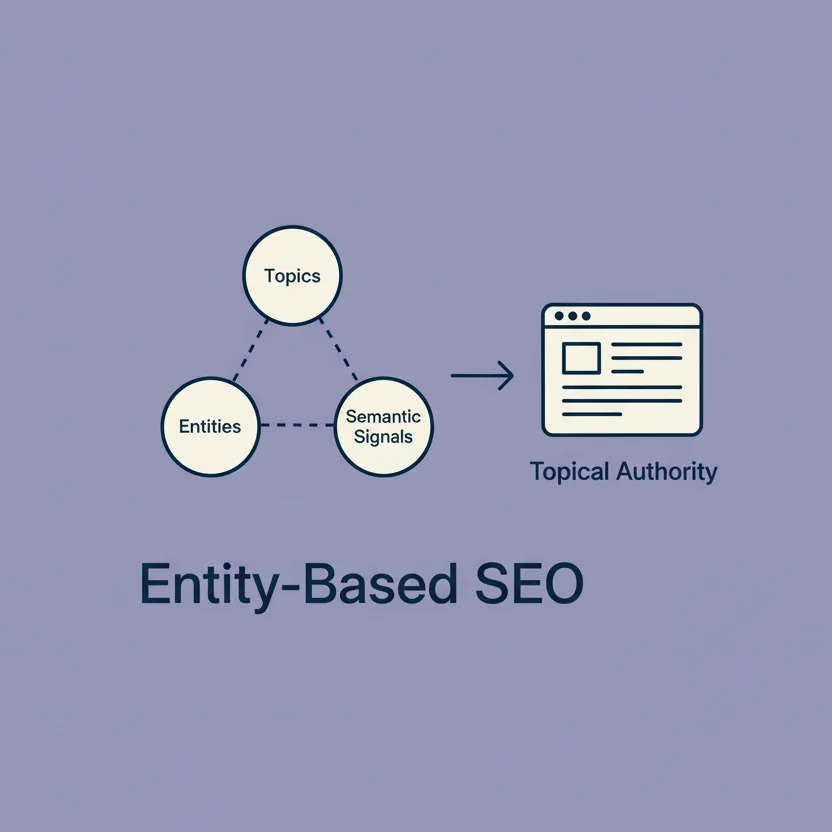
Keywords are just the surface. In 2026, Google is an “entity” engine. The best white label partners use Knowledge Graphs and advanced Schema Markup to tell Google exactly who your client is and what they’re an authority on.
They should be building “topical authority” clusters, not just random blog posts. This involves using semantic triples (Subject-Predicate-Object) to help AI understand the relationship between different concepts on a site. Honestly, this part trips people up all the time, but it’s the difference between a site that ranks and a site that owns a niche.
3. Radical Transparency in Fulfillment
The “Black Box” model is a relic. You should never work with an agency that hides its “secret sauce.” You need to know exactly what’s happening in week 1 versus week 12.
The best partners provide:
- Standardized delivery playbooks.
- Access to live work trackers via Slack, Monday.com, or custom portals.
- Real-time updates on task completion.
If they can’t show you a project roadmap, they probably don’t have one. This is where I’d probably mess this up if I rushed, so take the time to audit their project management flow before signing.
4. Sophisticated “Invisible” Reporting
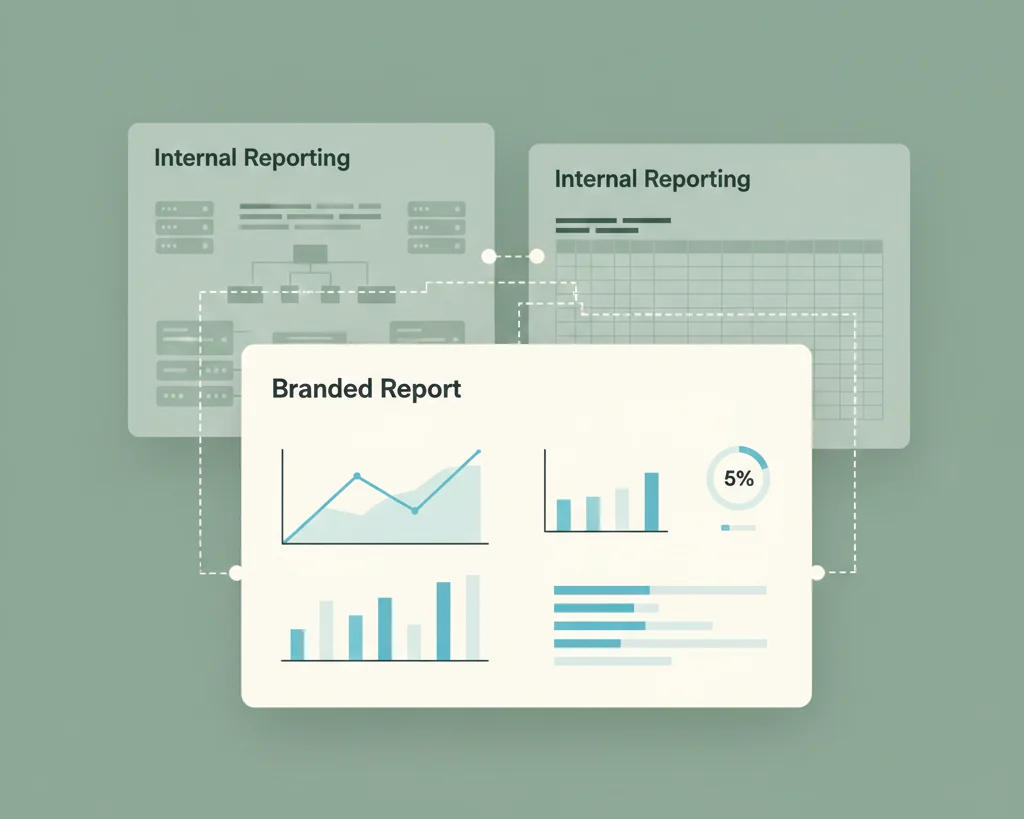
Your clients don’t care about “DR” or “Toxic Link Scores.” They care about ROI and Leads.
The best white label SEO agencies provide dashboards that pull data from GSC, GA4, and Ahrefs but present it in “Client Language.” They should include an automated report with a “human-layer” of insights. This means a real person actually looks at the data and writes a 3 sentence summary of what it means for the client’s bottom line.
5. Proven Scalability Without Quality Decay
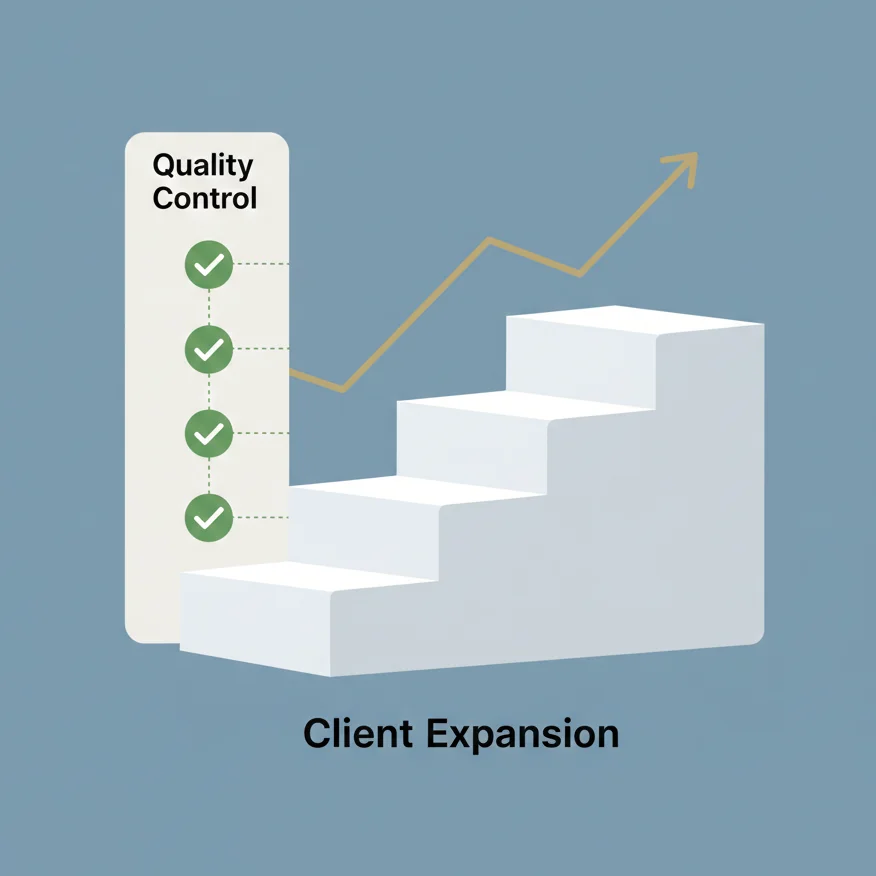
Imagine you land a whale of a client and suddenly need to onboard 50 new sites in a month. Can your partner handle it?
Most “boutique” white labelers break under this pressure. You need a systems-driven agency. They should have a clear vetting process for their own writers and editors. A 2024 study by Promethean Research found that many agencies fail because of fulfillment inefficiencies during surge cycles. Don’t let your reputation be one of those casualties.
6. Technical SEO Prowess (Not Just Content)
SEO isn’t just writing 1,500 words on “how to bake a cake.” It’s about Core Web Vitals, site architecture, and fixing technical debt.
In 2026, Google is even more ruthless about page experience. Your partner should be able to handle complex site migrations or international SEO setups without breaking a sweat. If they only offer “content packages,” they aren’t an SEO agency, they’re a writing service.
7. Ethical, High-Authority Link Acquisition
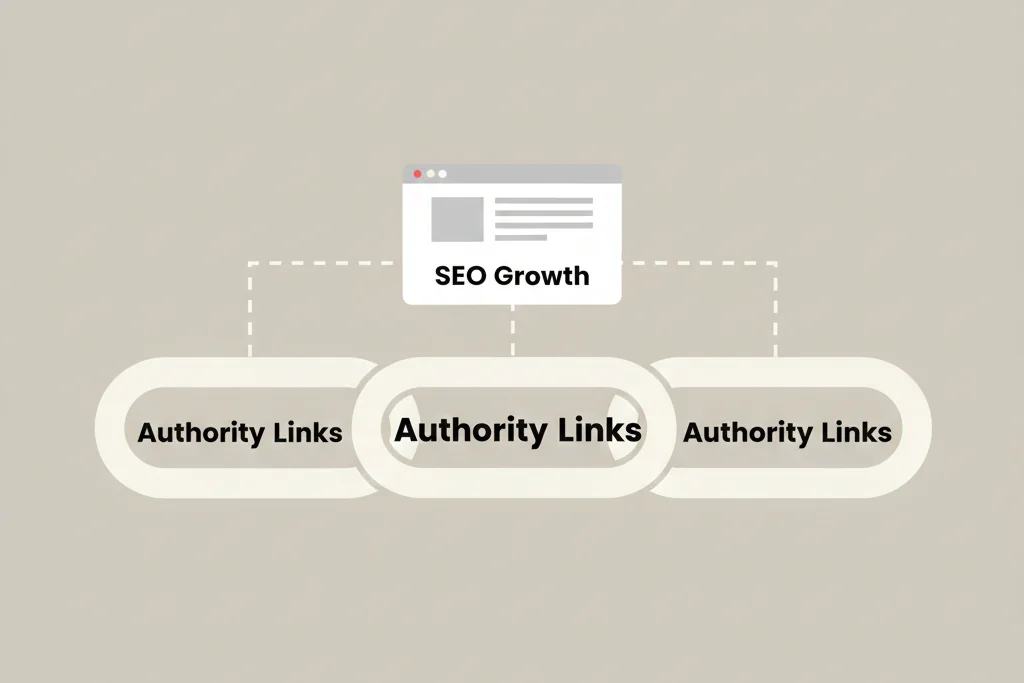
If you hear the word “PBN” (Private Blog Network), end the call. In 2026, those are search engine poison.
The best partners focus on Digital PR and guest posting on sites with actual organic traffic. They should provide transparent link logs so you know exactly where every dollar of your budget is going. According to Statista, high-quality backlinks remain a top ranking factor, but only if they are relevant and earned, not bought from a link farm.
8. Niche Specialization & Industry Context
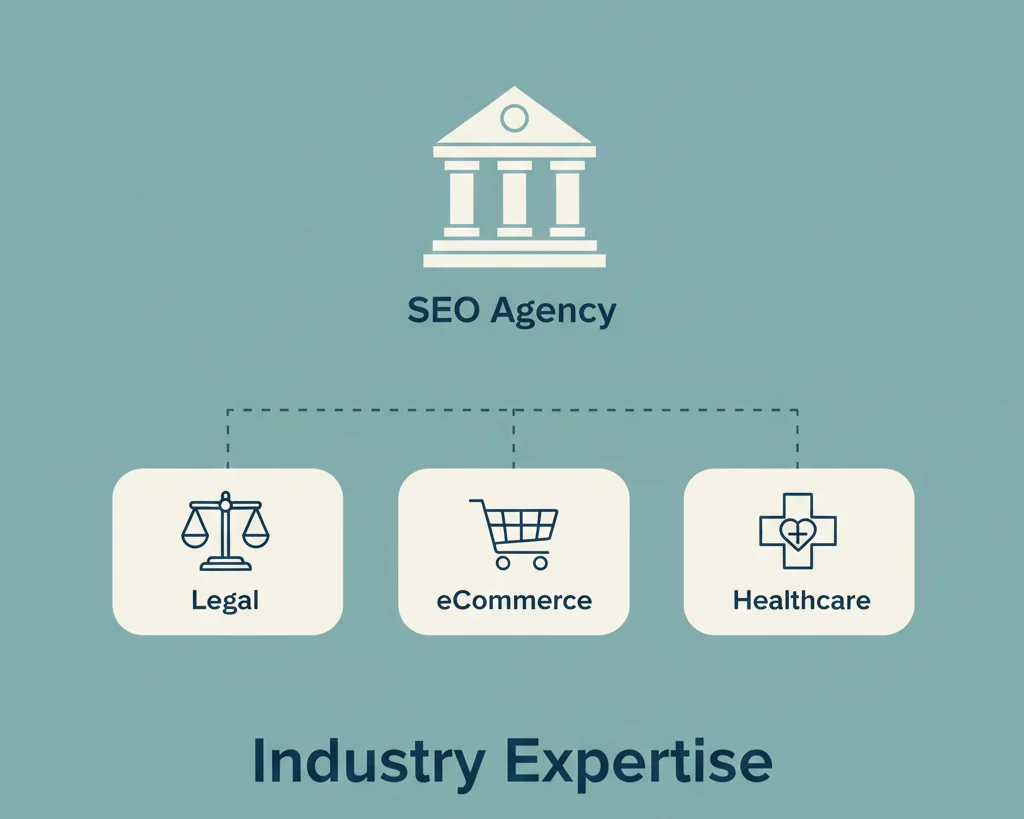
A “Generalist” agency will struggle to write for a Medical Malpractice lawyer or a B2B SaaS platform. Context matters.
I might be wrong, but I’ve found that agencies with dedicated Account Managers for specific verticals always perform better. They already know the jargon, the pain points, and the “legal” limits of what can be said.
9. Alignment with Agency Profit Margins
Let’s talk money. If you can’t mark up the service by at least 50% to 100%, the partnership isn’t sustainable.
Look for wholesale pricing models. Avoid agencies that force you into long-term contracts for “bundles” you don’t need. The best partners offer modular, à la carte services that allow you to build a custom solution for each client.
| Service Type | Typical Retail Price | Target Margin |
| Basic Local SEO | $500–$1,000 | 40%–50% |
| Standard SEO | $1,000–$2,500 | 45%–55% |
| Enterprise/Technical | $3,500+ | 50%–60% |
10. Proactive Strategy (Not Just Maintenance)
The best partners don’t just wait for you to tell them what to do. They suggest new opportunities.
Maybe they noticed a gap in a client’s Video SEO. Or perhaps they see an opportunity to snag a featured snippet for a high-intent query. They should be conducting Quarterly Business Reviews (QBRs) to show you (and your client) that they are thinking ahead, not just doing the bare minimum to keep the retainer.
11. Seamless Communication & “Ghost” Support
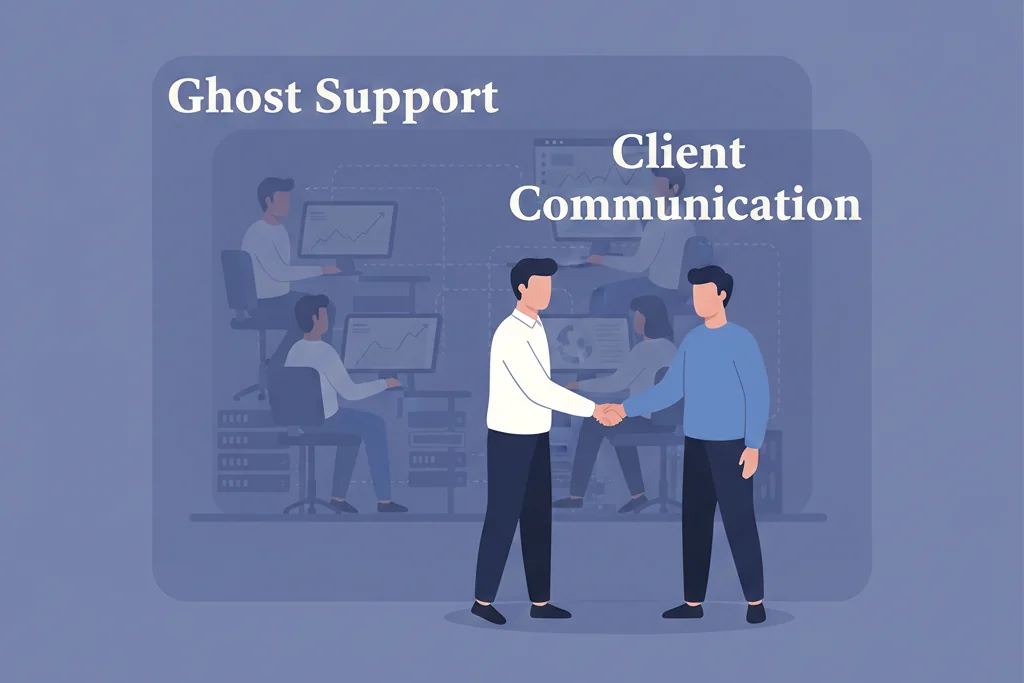
Communication is where 90% of white label partnerships fail. You need a guaranteed SLA (Service Level Agreement) for response times.
The “Ghost” factor is also huge. Some agencies allow their experts to join your client calls as “your SEO department.” This builds massive trust with your client while you take all the credit. It’s a win-win, as long as they don’t break cover.
12. Documented Case Studies & Real Results
Client retention is the ultimate proof of quality. Ask for proof of long-term retention.
You want to see wins from late 2025 or early 2026. If their latest case study is from 2021, their tactics are likely obsolete. My previous experience has shown that “recent wins” are the only ones that matter in an era where the algorithm changes every week.
The Red Flags: When to Run
- Guaranteed #1 Rankings: This is the biggest red flag in 2026. No one controls Google’s AI.
- “Too Good to Be True” Pricing: If it’s $99 a month for “Full SEO,” you’re buying automated spam.
- No Access to Work: If they won’t show you the actual links or content being produced until it’s “finished,” they’re hiding something.
Conclusion: Choosing Your Growth Partner
SEO is no longer a commodity you can just buy off a shelf. It’s a strategic partnership. Your agency’s reputation is quite literally in their hands.
Before you sign that contract, go through this checklist. Ask the hard questions about AI search and profit margins. A true partner will welcome the scrutiny because they know their systems can handle it.